


What's Happening?
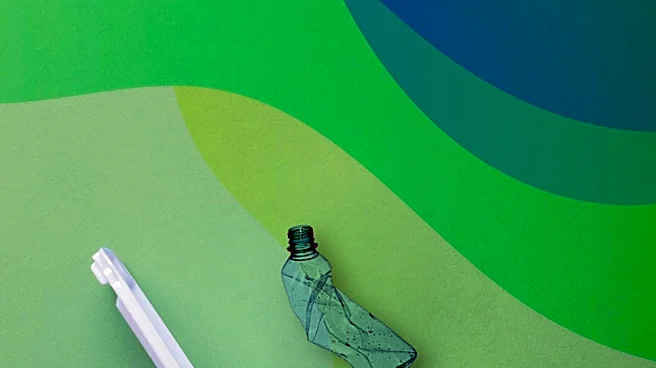
The global negotiations on a plastics treaty are at a critical phase, with many countries advocating for a legally binding agreement to address plastic pollution. The treaty aims to transition from a linear to a circular economy to reduce plastic leakage
into the marine environment. Key elements under discussion include differentiated responsibilities, lifecycle focus, and financial mechanisms for developing countries. Despite widespread support, some countries resist measures to tackle plastic production at its source. The UK has been a leader in advocating for global measures on plastic production, emphasizing the need for robust environmental regulation.
Why It's Important?
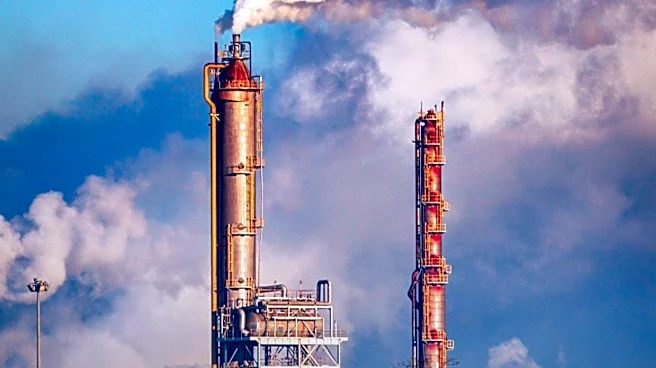
The outcome of these negotiations could significantly impact global environmental policies and the petrochemical industry. A legally binding treaty could enforce stricter regulations on plastic production, affecting countries heavily reliant on petrochemical industries. This could lead to increased costs for businesses and a push towards sustainable practices. The treaty's success could also set a precedent for international cooperation on environmental issues, potentially influencing future agreements on climate change and pollution.
What's Next?
As negotiations continue, countries will need to reconcile differing views on production oversight and financial responsibilities. The UK and other proponents of stringent measures may face challenges in persuading resistant countries. The next steps involve formal negotiations and the drafting of a treaty text, with the potential for significant policy shifts in countries with large petrochemical sectors.
Beyond the Headlines
The treaty discussions highlight the complex relationship between environmental sustainability and economic interests. The resistance from some countries underscores the challenges in balancing economic growth with environmental protection. The negotiations also bring attention to the ethical responsibility of developed nations to support developing countries in transitioning to sustainable practices.