
What's Happening?
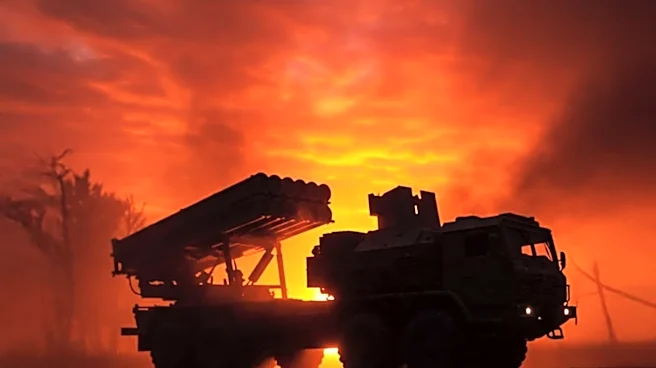
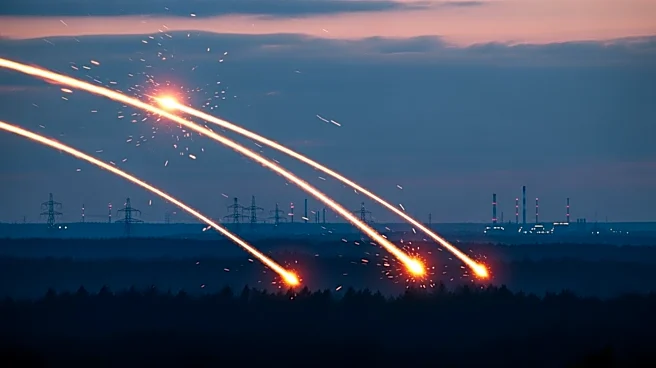
Ukraine has launched a series of long-range attacks targeting military and energy infrastructure deep within Russia. President Volodymyr Zelenskyy announced that Ukrainian forces used FP-5 Flamingo long-range missiles
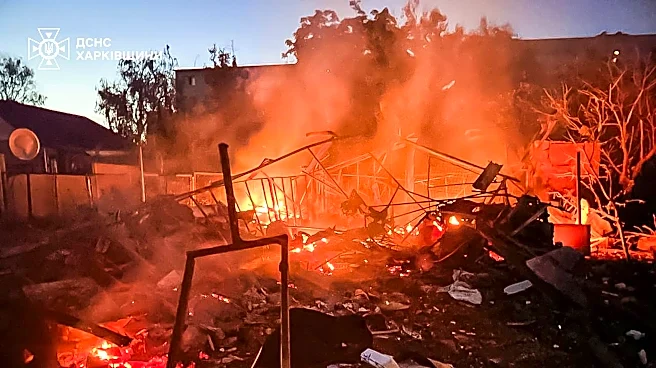
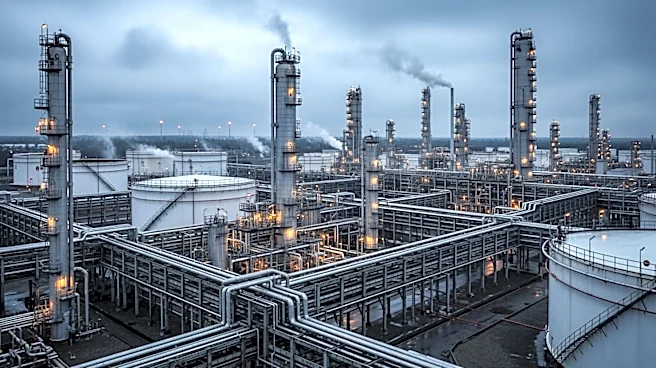
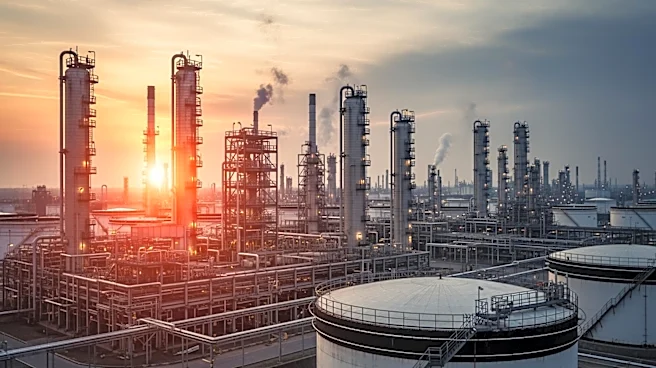
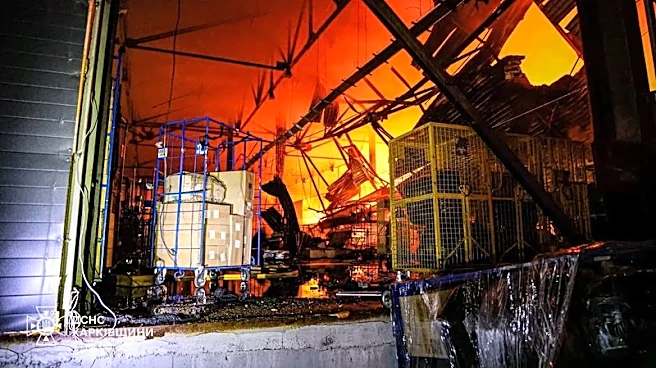
to strike a military factory in Cheboksary, which is over 900 kilometers from the front line. This facility reportedly supplied components for Russian drones and missiles. Additionally, Ukrainian forces targeted a refinery in Russia's Samara region, causing damage to several industrial plants and injuring three people. The Security Service of Ukraine (SBU) also targeted oil infrastructure in Russia's Vladimir region. In Crimea, a Ukrainian drone attack destroyed a historic panorama painting in Sevastopol. These strikes are part of Ukraine's strategy to increase the costs of the war for Russia, as the front line remains largely static.
Why It's Important?
The escalation of long-range strikes by Ukraine signifies a strategic shift in the ongoing conflict, aiming to disrupt Russian military supply chains and energy infrastructure. This approach could potentially weaken Russia's military capabilities and economic stability, increasing pressure on the Kremlin. The attacks challenge President Vladimir Putin's narrative of a successful military campaign, potentially affecting domestic support for the war. The strikes also highlight Ukraine's growing military capabilities, particularly in drone and missile technology, which could alter the balance of power in the region. The international community may view these developments as a significant escalation, potentially influencing diplomatic efforts and international relations.
What's Next?
The continuation of such strikes could provoke a strong military response from Russia, potentially leading to further escalation of the conflict. Russia may enhance its air defense systems and increase military operations in response. The international community, including NATO and the EU, may need to reassess their support strategies for Ukraine and consider additional sanctions or diplomatic measures against Russia. The situation could also impact global energy markets, as disruptions in Russian energy infrastructure may affect supply and prices.