







What's Happening?
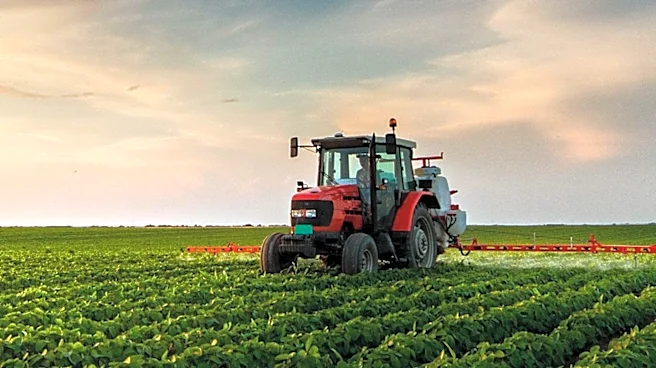
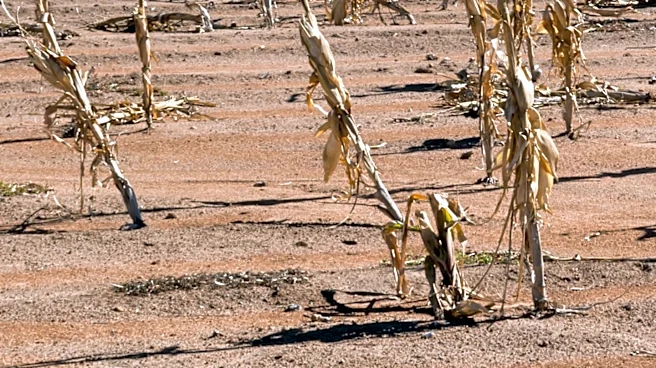
Specialty farmers in the Midwest are adapting to extreme heat conditions exacerbated by climate change. The recent heat dome has forced farmers to adjust their harvest schedules to avoid the hottest parts of the day. These farmers, who grow fruits and
vegetables, face unique challenges as they lack the same insurance protections as commodity crop farmers. The heat not only affects crop quality but also poses health risks to farmworkers. Farmers are employing strategies such as working during cooler hours and using shade to protect crops and workers.
Why It's Important?
The adaptation strategies of specialty farmers highlight the broader challenges faced by agriculture in the face of climate change. These farmers are crucial for local food systems and biodiversity, yet they are more vulnerable to extreme weather due to limited insurance options. The situation underscores the need for policy reforms to support diverse agricultural practices and enhance resilience. The economic impact on small farms can be significant, affecting local economies and food security. The issue also raises questions about the sustainability of current agricultural practices and the need for innovation in crop management.
What's Next?
There is a growing call for policy changes to improve insurance access for specialty crop farmers. This includes developing more flexible insurance products that account for diverse crops and small-scale operations. Farmers are likely to continue exploring adaptive strategies, such as crop diversification and technological innovations, to mitigate climate risks. The agricultural sector may see increased collaboration with research institutions to develop climate-resilient farming practices. Public awareness and consumer support for local and sustainable agriculture could drive further change.
Beyond the Headlines
The challenges faced by specialty farmers reflect broader issues of equity and sustainability in agriculture. The reliance on traditional insurance models highlights systemic barriers that disadvantage small and diverse farms. The situation also points to the need for a holistic approach to climate adaptation, integrating social, economic, and environmental considerations. The cultural significance of local farming communities and their role in preserving agricultural heritage is an important aspect of the discussion. Long-term, the shift towards sustainable and resilient agriculture could redefine food systems and rural economies.