



What's Happening?
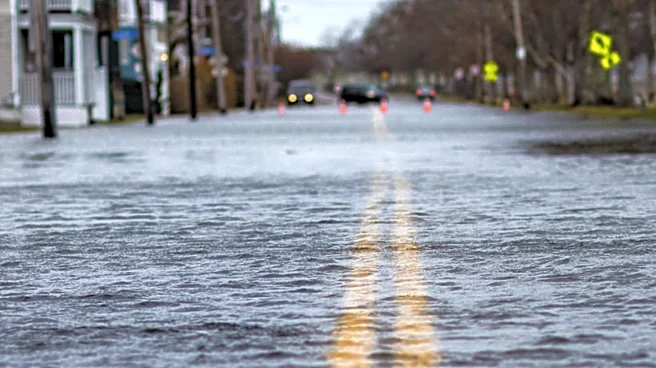
The Rutgers Marine field station in New Jersey is facing an existential threat due to rising sea levels, as reported by NBC New York. The tri-state area, including New Jersey, has experienced a summer marked by extreme heat, humidity, and repeated flash
flooding. While individual weather events cannot be definitively linked to climate change, scientists are actively monitoring long-term environmental shifts that are projected to have significant local impacts. The vulnerability of the Rutgers Marine field station highlights the tangible consequences of these ongoing climatic changes on critical research infrastructure and coastal regions. The station, vital for marine research and education, is directly exposed to the increasing frequency and intensity of coastal inundation.
Why It's Important?
The threat to the Rutgers Marine field station underscores the broader implications of rising sea levels for coastal communities and scientific institutions across the United United States. This situation highlights the direct impact of climate change on infrastructure, particularly those dedicated to environmental research. The potential loss or severe disruption of the field station could impede crucial studies on marine ecosystems, climate patterns, and coastal resilience, which are essential for developing mitigation and adaptation strategies. Furthermore, it serves as a stark reminder of the economic and societal costs associated with climate change, as resources will be required for protection, relocation, or rebuilding efforts. The vulnerability of such a facility also raises questions about the long-term sustainability of coastal development and the need for proactive planning in the face of environmental shifts.
What's Next?
In response to the escalating threat, Rutgers University and relevant state agencies will likely need to assess the long-term viability of the current marine field station location. This assessment could lead to several potential actions, including the implementation of protective measures such as sea walls or elevated structures, or the consideration of relocating the facility to a more secure inland location. Scientists will continue to track sea-level rise and its localized effects, providing data crucial for informed decision-making. Public awareness campaigns and policy discussions regarding coastal resilience and climate adaptation funding are also anticipated to gain momentum. The situation may also prompt increased investment in climate research and infrastructure to better understand and combat the effects of rising sea levels on vulnerable coastal assets.
Beyond the Headlines
The predicament of the Rutgers Marine field station extends beyond immediate infrastructure concerns, touching upon deeper ethical and policy questions regarding environmental stewardship and scientific preservation. It highlights the tension between immediate economic interests and long-term ecological sustainability. The potential loss of a research facility due to climate change could symbolize a broader societal failure to adequately address environmental threats, impacting future generations' ability to understand and manage marine resources. This situation also brings to the forefront the challenge of balancing scientific inquiry with the practical realities of climate change adaptation, potentially forcing difficult choices about which assets can be protected and which must be abandoned. It underscores the urgent need for integrated climate policies that bridge scientific research, urban planning, and environmental protection.