



What's Happening?
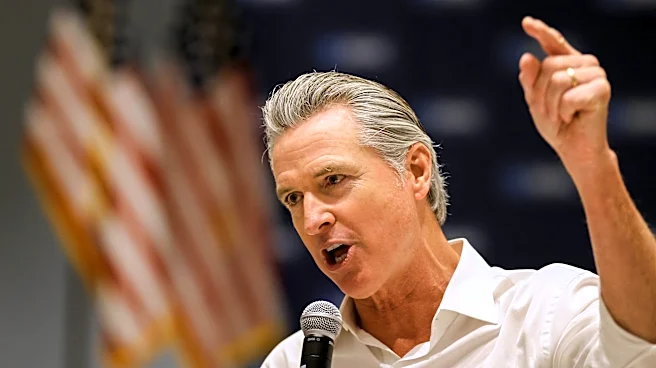
U.S. Representative Young Kim (CA-40) has joined other members of Orange County's federal and state delegations in urging Governor Gavin Newsom to take immediate action to secure $10 million in federal funding for the Southern California Veterans Cemetery
at Gypsum Canyon. The U.S. Department of Veterans Affairs (VA) offered this grant through its Veterans Cemetery Grants Program, following years of bipartisan efforts to advance the project. However, the California Department of Veterans Affairs (CalVet) has indicated it does not plan to draw down the funding before the end of the federal fiscal year, which puts the federal commitment at risk. Rep. Kim emphasized that federal funding for this program is limited and appropriated annually, meaning there is no guarantee the $10 million will be available in a future fiscal year. She has been advocating for an Orange County Veterans Cemetery for nearly a decade, dating back to her time in the California State Assembly.
Why It's Important?
The potential loss of this $10 million federal grant poses a significant threat to the establishment of the Southern California Veterans Cemetery, a project that has garnered extensive bipartisan support and is crucial for honoring veterans in Orange County. This funding is essential for the cemetery's development, and its forfeiture would necessitate finding alternative financial resources, likely causing substantial delays and increased costs. The situation highlights a critical administrative bottleneck where federal support, secured through persistent advocacy, is jeopardized by state-level inaction. For the veteran community, this delay means a prolonged wait for a dedicated resting place, undermining years of effort and commitment from their advocates. The urgency is heightened by the fact that veterans are aging, and the need for such facilities is immediate.
What's Next?
The immediate next step requires Governor Gavin Newsom's administration to act swiftly to protect the federal commitment before the current federal fiscal year concludes. This involves CalVet taking the necessary steps to accept the $10 million grant. Rep. Kim and other elected officials will likely continue to exert pressure on the governor and CalVet to resolve the administrative issues preventing the acceptance of funds. If the state fails to secure the funding, the project's future will become uncertain, potentially requiring a renewed effort to secure federal or state appropriations in subsequent years, which is not guaranteed. The outcome will demonstrate the state's commitment to its veterans and its ability to effectively manage intergovernmental funding opportunities.
Beyond the Headlines
This issue extends beyond a simple funding dispute, touching upon the broader themes of governmental efficiency, accountability, and the honoring of national service. The bureaucratic delay in accepting a critical grant for veterans' services can erode public trust and create a perception of indifference towards those who have served. It also underscores the complexities of federal-state partnerships, where well-intentioned federal programs can be stalled by state-level administrative hurdles. The long-term implications could include a re-evaluation of how federal grants are structured and how states are incentivized to utilize them promptly. Furthermore, it highlights the ongoing need for vigilant oversight and advocacy from elected officials and community groups to ensure that vital projects for veterans are not derailed by administrative inertia.