







What's Happening?
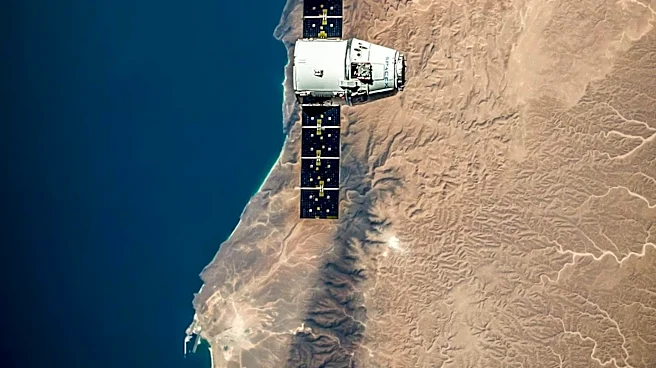
Morocco is significantly strengthening its military and technology relationship with Israel, a development that includes a recent $1 billion contract for a satellite from Israel Aerospace Industries (IAI). This satellite is intended to replace older systems
previously supplied by French companies Airbus and Thales, providing Morocco with access to advanced Israeli surveillance technology. The deepening ties were highlighted by a meeting in Rabat between Morocco's Defence Administration Minister, Abdeltif Loudiyi, and Amir Baram, Director General of Israel's Defence Ministry. This military cooperation, which covers areas such as cybersecurity, equipment, personnel training, and the development of local manufacturing capabilities, has been growing since the two countries normalized relations under the U.S.-brokered Abraham Accords in 2020. The partnership became more formal a year later with a memorandum of understanding covering arms purchases, intelligence sharing, and joint military projects. Israel's defense companies, including IAI and Elbit Systems, also participated in an air show in Marrakesh, marking the first time an Israeli national pavilion was featured at such an event in Morocco since the Abraham Accords.
Why It's Important?
This enhanced military and technological alliance between Morocco and Israel, facilitated by the Abraham Accords, holds significant implications for regional security and U.S. foreign policy in the Middle East and North Africa. The U.S. brokered these accords to foster new diplomatic, trade, and defense ties, and this latest development underscores the success of that initiative in strengthening alliances. For Morocco, gaining access to advanced Israeli surveillance technology through the $1 billion satellite contract enhances its defense capabilities and reduces its reliance on traditional European suppliers like France. For Israel, it expands its defense industry's market reach and solidifies its strategic partnerships in the region. The U.S. benefits from increased stability and cooperation among its allies, potentially counterbalancing other regional influences. This shift also indicates a broader trend of Arab and Muslim-majority countries normalizing relations with Israel, reshaping the geopolitical landscape and creating new avenues for defense and technology collaboration.
What's Next?
The continued deepening of military and technology ties between Morocco and Israel is expected to lead to further defense industry cooperation and potential joint projects. The $1 billion satellite contract is a major step, and future agreements could involve more advanced military equipment, intelligence sharing, and cybersecurity initiatives. This partnership may also encourage other countries in the region to explore similar collaborations with Israel, further expanding the reach of the Abraham Accords. The replacement of French-supplied systems with Israeli technology could signal a shift in Morocco's defense procurement strategy, potentially impacting European defense contractors. The U.S. will likely continue to support these alliances, viewing them as crucial for regional stability and its strategic interests. The success of this partnership could serve as a model for future diplomatic and security engagements in the Middle East.
Beyond the Headlines
The growing military and technological partnership between Morocco and Israel, particularly the significant satellite contract, represents a profound shift in regional dynamics beyond mere defense procurement. It highlights the strategic importance of technological sovereignty and advanced surveillance capabilities in modern geopolitics. By opting for Israeli technology over established European suppliers, Morocco is not only upgrading its defense infrastructure but also signaling a reorientation of its strategic alliances. This move could have long-term implications for regional power balances, potentially fostering a more integrated security architecture among Abraham Accords signatories. Furthermore, the collaboration underscores the increasing role of technology as a diplomatic tool, where advanced capabilities can forge stronger bonds and create new spheres of influence. The ethical considerations surrounding surveillance technology and its deployment will also become more pertinent as these partnerships mature, raising questions about data privacy and the potential for dual-use technologies.