

What's Happening?
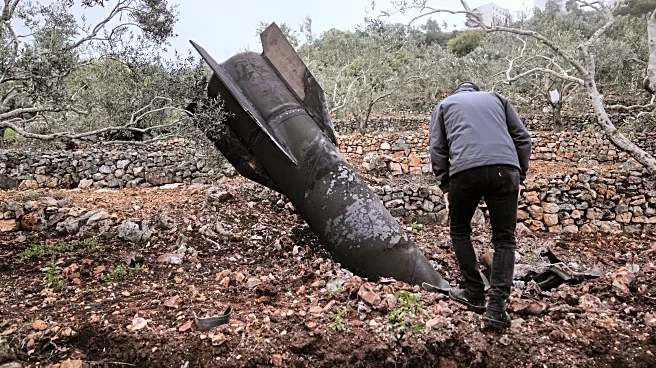
U.S. intelligence reports indicate that approximately one-third of Iran's missile arsenal has been destroyed in the ongoing conflict involving U.S. and Israeli forces. The status of another third of the missiles is uncertain, with some likely damaged
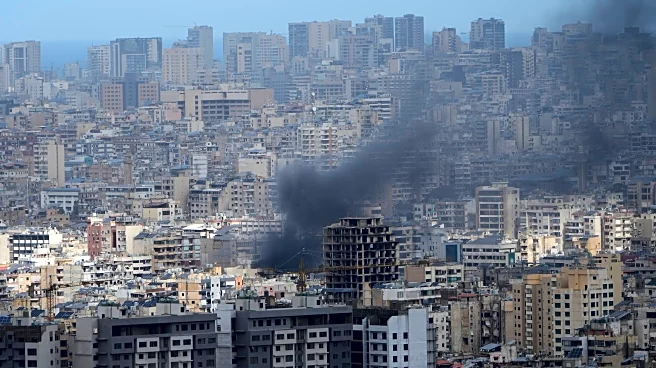
or buried in underground facilities. This assessment contrasts with President Trump's public statements claiming that Iran has very few rockets left. The conflict, which has been ongoing for nearly a month, aims to weaken Iran's military capabilities, including its missile and drone arsenals. Despite significant strikes, Iran continues to demonstrate its ability to launch attacks, raising concerns about the remaining threat.
Why It's Important?
The destruction of a significant portion of Iran's missile arsenal is a critical development in the U.S.-Iran conflict, impacting regional security and military strategies. The ongoing military operations aim to diminish Iran's ability to threaten U.S. interests and allies, particularly in the strategically vital Strait of Hormuz. However, the persistence of Iranian missile capabilities suggests that the conflict may continue to pose challenges for U.S. military objectives. The situation also underscores the complexities of accurately assessing and neutralizing underground military assets, which could influence future military planning and intelligence operations.
What's Next?
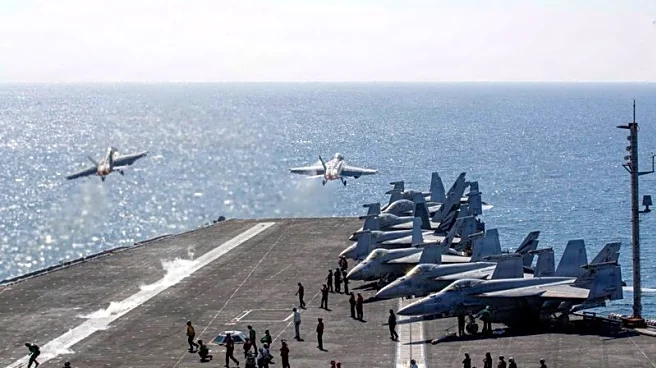
As the conflict progresses, the U.S. may consider deploying additional troops to secure the Strait of Hormuz, a critical passage for global oil shipments. The ongoing military operations, known as 'Epic Fury,' are expected to continue targeting Iran's military infrastructure. The U.S. and its allies will likely focus on preventing Iran from replenishing its missile stockpiles and maintaining pressure on its military capabilities. The situation remains fluid, with potential diplomatic and military developments influencing the trajectory of the conflict.