


What's Happening?
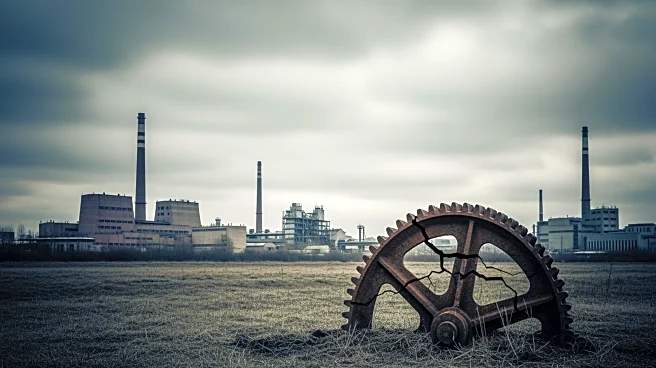
The Russian economy is experiencing stagnation as the war in Ukraine continues, with significant impacts on growth and public services. The International Monetary Fund has downgraded Russia's growth forecasts, citing declining oil revenues and increased
military spending. The economic strain is evident in tax hikes and reduced funding for welfare and public services. Despite initial resilience, the Russian economy is now facing challenges from sanctions and demographic pressures, leading to a precarious fiscal situation.
Why It's Important?
The economic stagnation in Russia has far-reaching implications for the global economy and geopolitical stability. As a major energy exporter, Russia's economic health affects global oil markets and energy prices. The ongoing conflict and economic challenges could lead to shifts in international trade and investment patterns. Additionally, the strain on Russia's economy may impact its ability to sustain military operations, influencing the conflict's dynamics and potential resolutions.
What's Next?
The future of Russia's economy will depend on several factors, including global oil prices, the effectiveness of sanctions, and internal economic policies. The government may need to implement further fiscal measures to address the economic challenges, potentially affecting public sentiment and political stability. Internationally, the situation will continue to be monitored closely, with potential adjustments in diplomatic and economic strategies by other nations.
Beyond the Headlines
The economic situation in Russia highlights the interconnectedness of global markets and the impact of geopolitical conflicts on economic stability. The challenges faced by Russia also underscore the importance of diversification and resilience in national economies. The situation serves as a case study in the consequences of prolonged military engagements on domestic economic health and international relations.