





What's Happening?
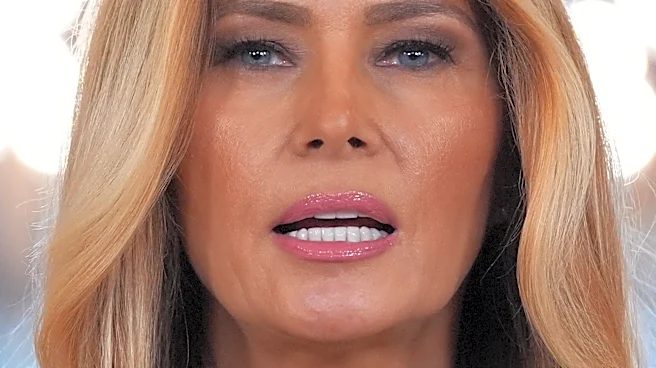
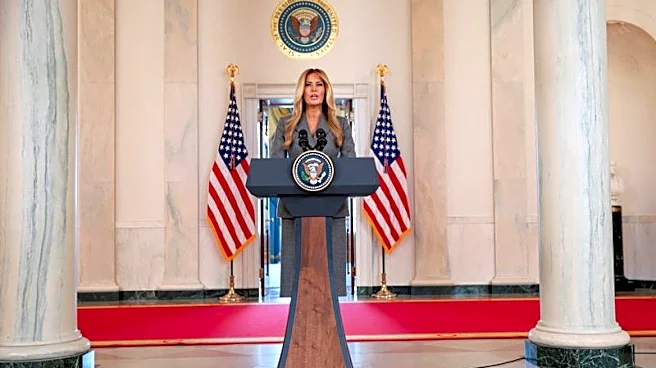
First Lady Melania Trump has denied any relationship with Jeffrey Epstein and his associate Ghislaine Maxwell, despite the emergence of emails from 2002 that suggest correspondence between someone named 'Melania' and 'G. Max.' The emails, part of a trove
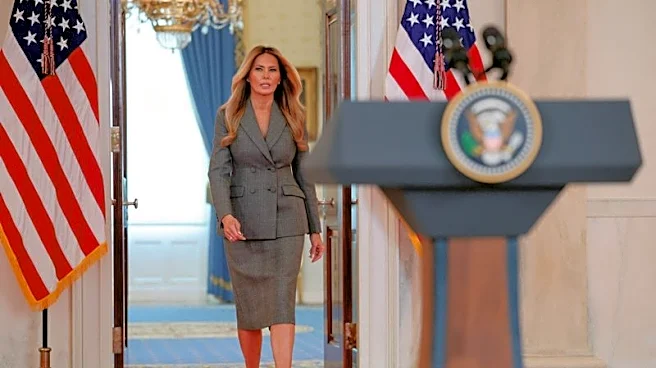
released by the Justice Department, have fueled speculation about her ties to Epstein. In her statement, Melania Trump dismissed these as 'false smears' and clarified that her interactions were merely casual correspondence. She reiterated that she had no knowledge of Epstein's criminal activities and was not introduced to President Trump by Epstein. The First Lady also called for more congressional action to allow Epstein's victims to share their stories publicly.
Why It's Important?
This denial is crucial as it addresses rumors that could impact Melania Trump's public image and the broader perception of the Trump administration's connections to Epstein. The release of these emails and the subsequent denial highlight the ongoing challenges in managing public narratives around high-profile figures linked to Epstein. The call for congressional action reflects a push for justice and transparency, which could lead to further investigations and public discourse on the matter. The situation underscores the complexities of navigating allegations involving powerful individuals and the potential implications for political and social dynamics.
What's Next?
The situation may lead to increased scrutiny of the emails and any additional evidence that could surface. Congress might consider Melania Trump's call for hearings, potentially resulting in new investigations or public testimonies from Epstein's victims. The Justice Department's transparency in handling the records will be closely watched, as stakeholders demand more information. The ongoing media and public interest in the case could shape the narrative around Epstein's network and those allegedly connected to it, influencing future political and legal developments.