




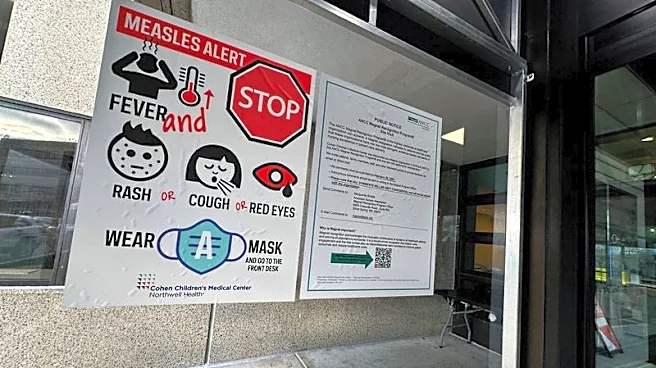
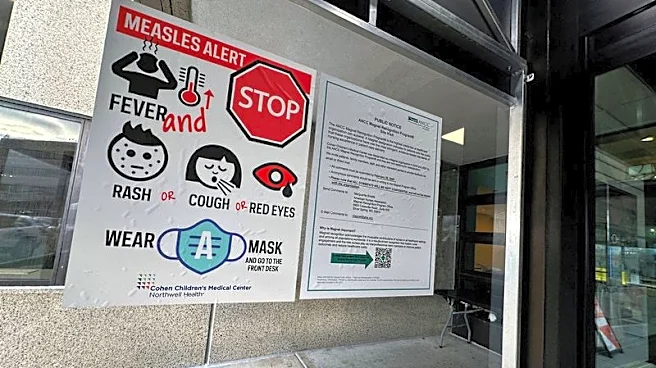

What's Happening?
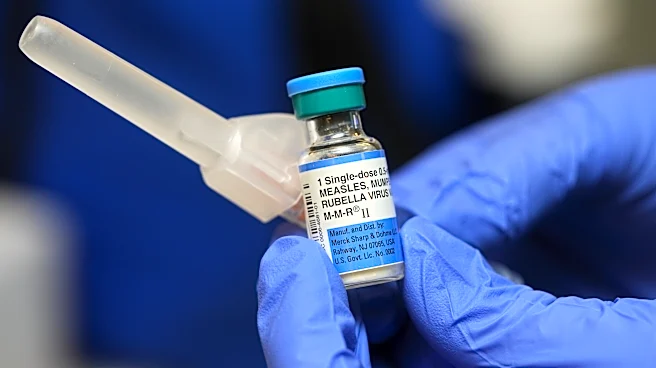
Federal health authorities have committed approximately $100 million in nationwide funding through 2027 to address measles and other vaccine-preventable diseases. This financial commitment follows the U.S. losing its measles elimination status. The funding is divided
into two main allocations: $50.2 million through the Strengthening Vaccine Preventable Disease Prevention and Response cooperative agreement, aimed at identifying emerging risks, closing immunity gaps, and fostering community partnerships; and an additional $49.8 million supporting the Epidemiology and Laboratory Capacity cooperative agreement, designed to enhance outbreak preparedness, surveillance, and rapid containment efforts. Federal Epi-Aid teams are also being deployed to jurisdictions experiencing active transmission, providing tailored epidemiological, laboratory, and technical support. States like Texas, South Carolina, Virginia, Kansas, New Mexico, and Wisconsin have previously utilized these teams, while Pennsylvania and New York have requested similar federal assistance. Public health laboratories are expanding whole genome sequencing and diagnostic testing to trace transmission patterns and provide clinicians with actionable local data.
Why It's Important?
The loss of the U.S. measles elimination status signifies a critical public health setback, underscoring the vulnerability of the nation to preventable diseases. This development has significant implications for public health infrastructure, healthcare systems, and community well-being. The $100 million federal response highlights the urgent need to restore high vaccination rates and strengthen disease surveillance and containment capabilities. Declining immunization coverage, particularly the drop in kindergarten measles, mumps, and rubella vaccination rates from 95.2% in 2019-2020 to 92.7% in 2023-2024, has created substantial immunity gaps. Furthermore, a 2025 analysis revealed falling vaccination rates across 78% of 2,066 counties in 33 states compared to pre-pandemic levels, coupled with eroded public trust in medical professionals. This situation not only poses a direct threat to public health but also places a strain on healthcare resources and could lead to economic disruptions due to outbreaks.
What's Next?
The federal funding will be distributed through most of 2027, indicating a sustained effort to combat measles and other vaccine-preventable diseases. The continued deployment of federal Epi-Aid teams to affected jurisdictions will be crucial for containing ongoing outbreaks and preventing further spread. Public health laboratories will continue to expand whole genome sequencing and diagnostic testing, which will provide critical data for understanding transmission patterns and guiding clinical responses. Healthcare providers are expected to heighten diagnostic vigilance, adhere to evidence-based protocols for managing measles, and engage in transparent patient counseling regarding vaccine benefits and risks. The success of these initiatives will depend on improving immunization coverage, rebuilding public trust in healthcare, and effectively managing cross-border transmission risks, as measles continues to circulate in over 100 countries globally.
Beyond the Headlines
The re-emergence of measles in the U.S. after its elimination status was lost points to deeper societal challenges, including the impact of the COVID-19 pandemic on routine healthcare and a decline in public trust in medical institutions. The interruptions to pediatric healthcare during the pandemic created significant immunity vulnerabilities, which are now manifesting in outbreaks of preventable diseases. The erosion of public trust, as evidenced by national survey data between 2020 and 2024, complicates efforts to increase vaccination rates and implement public health measures. This situation underscores the importance of effective public health communication, community engagement, and addressing vaccine hesitancy. The long-term implications could include a re-evaluation of public health strategies, increased investment in preventative care, and efforts to restore confidence in scientific and medical expertise to safeguard national health security against future outbreaks.