
What's Happening?
T-Mobile has activated SpaceX's Starlink cellular service for free in areas affected by Winter Storm Fern in the US. This initiative allows customers to maintain connectivity via satellite when traditional cell towers are unavailable. The service, typically
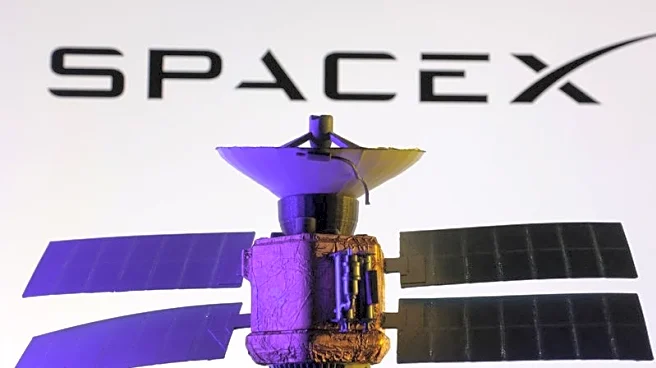
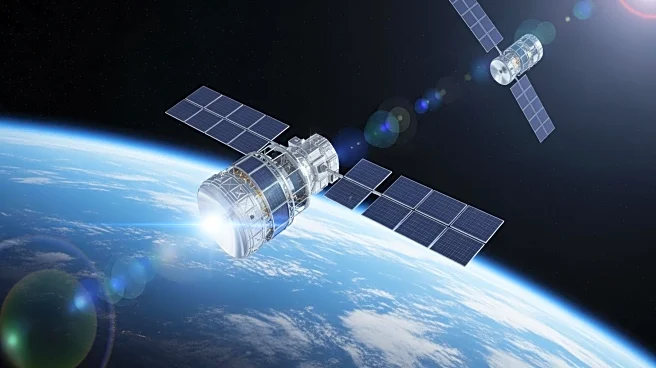
costing $10 per month, is now accessible to all customers in potentially impacted areas with compatible phones, including the latest iPhones, Samsung Galaxy, and Google Pixel handsets. T-Mobile's T-Satellite service supports basic text messaging and broadcasts Wireless Emergency Alerts to compatible devices. The technology utilizes over 650 orbiting Starlink satellites to provide cellular connectivity. Other companies like Apple and Google also offer satellite connectivity through different providers, ensuring users can send text messages or contact emergency services when traditional networks fail.
Why It's Important?
The activation of Starlink's satellite service by T-Mobile during a severe winter storm highlights the growing importance of satellite technology in maintaining communication during emergencies. This move ensures that individuals in affected areas can stay connected with loved ones and receive emergency alerts, which is crucial for safety and coordination during natural disasters. The initiative also underscores the competitive landscape among telecom providers to offer reliable connectivity solutions, potentially influencing future investments in satellite technology. As climate change increases the frequency and severity of weather events, such services could become a standard offering, enhancing public safety and emergency response capabilities.
What's Next?
As the storm progresses, T-Mobile and other telecom providers are likely to continue monitoring network performance and customer needs. The success of this initiative could lead to broader adoption of satellite services in emergency preparedness plans across the telecom industry. Additionally, the effectiveness of satellite connectivity during this storm may prompt regulatory bodies to consider policies that encourage or mandate such services in disaster-prone areas. The response from consumers and the performance of the technology will be critical in shaping future offerings and investments in satellite-based communication solutions.