






What's Happening?
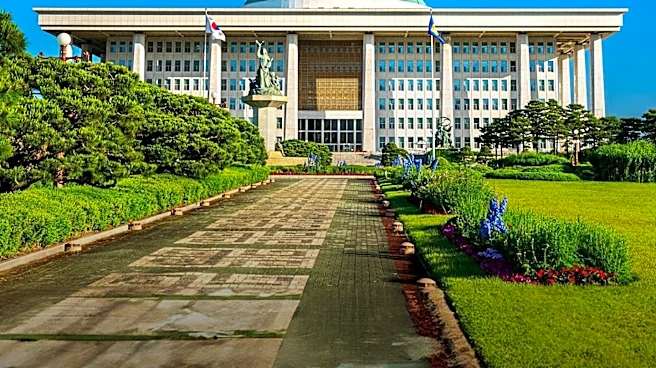
South Korean adoptees from Western nations protested outside Seoul’s presidential office on October 30, 2026, demanding comprehensive access to their adoption records and enhanced government efforts to locate their biological families. This demonstration
follows a larger gathering of hundreds of Korean adoptees in Seoul the previous week. The protest highlights ongoing issues with inaccurate or falsified adoption files, which frequently impede family reunification efforts. The liberal administration of President Lee Jae Myung is currently considering significant reforms to its post-adoption policies, particularly concerning adoptees' requests for records and birth-family searches. Currently, the National Center for the Rights of the Child, under the Health and Welfare Ministry, oversees this process. However, officials are contemplating a greater role for the Overseas Korean Agency, which operates under the Foreign Ministry, believing it is better equipped to streamline services and coordinate with Western countries involved in Korean adoptions. Such changes may necessitate new legislation.
Why It's Important?
This protest underscores a critical human rights issue for a significant diaspora, with approximately 200,000 South Koreans adopted to the United States, Europe, and Australia since the 1950s. The demands for expanded DNA testing, broader access to administrative and residential records, and new investigations into record manipulation and wrongful child-parent separations highlight systemic failures in South Korea's historical adoption program. The Truth and Reconciliation Commission concluded in 2025 that the government bears responsibility for facilitating a program rife with fraud and abuse, driven by efforts to reduce welfare costs. The ongoing struggle for adoptees to access their origins impacts their identity, mental health, and fundamental right to know their heritage. The potential governmental reforms, including legislative debates on easing privacy restrictions for birth-family information, could set a precedent for how nations address historical injustices in adoption practices and the rights of adoptees globally.
What's Next?
The administration of President Lee Jae Myung is actively considering major changes to how it handles adoptees' requests for records and birth-family searches. This includes potentially shifting oversight from the National Center for the Rights of the Child to the Overseas Korean Agency, which would require new legislation. Lawmakers are also debating multiple bills aimed at improving birth-family searches, such as easing privacy restrictions to allow adoptees to obtain information about their birth parents unless explicit confidentiality is requested. Adoptee and activist groups are pressing for immediate and meaningful action, emphasizing that 'truth-findings, remedies, and the restoration of rights can no longer be delayed.' The outcome of these legislative and administrative considerations will determine the extent to which South Korea addresses the historical grievances of its adoptee population and facilitates their search for biological families.
Beyond the Headlines
The ongoing protests and governmental considerations in South Korea reveal deeper ethical and legal implications surrounding international adoption. The historical context of widespread fraud, falsified records, and child-parent separations during the peak adoption periods in the 1970s and '80s points to a systemic failure that prioritized adoption quotas over the rights and welfare of children and birth families. The reluctance of some Health Ministry officials to guarantee adoptees access to birth-family information, citing privacy rights, highlights a complex ethical dilemma balancing the rights of adoptees to their origins against the privacy of birth parents. This situation could trigger long-term shifts in international adoption policies, emphasizing greater transparency, accountability, and support for adoptees' rights to their heritage, potentially influencing other countries with similar historical adoption programs to re-evaluate their own practices and provide reparations for past abuses.