







What's Happening?
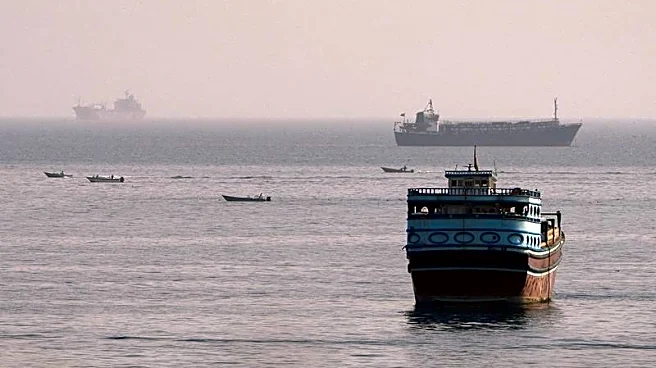
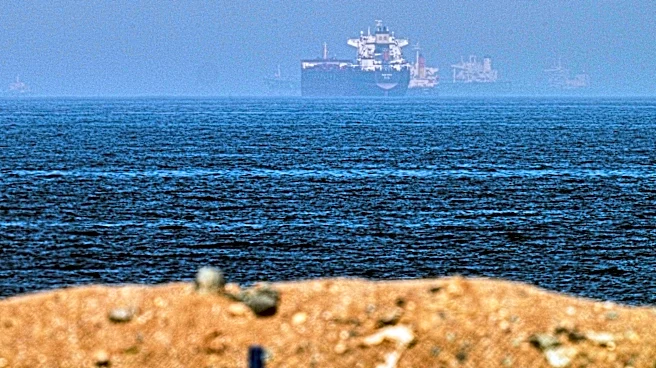
U.S. Treasury Secretary Bessent has announced that the Strait of Hormuz could reopen 'today or tomorrow' following discussions with Iranian officials. The Strait, a critical chokepoint for global oil shipments, has been a focal point of geopolitical tensions.
The potential reopening comes after negotiations aimed at de-escalating the situation and restoring normalcy to the region. The White House has indicated that a deal is in progress, which could lead to a more stable environment for international trade and energy markets.
Why It's Important?
The Strait of Hormuz is a vital artery for the global oil supply, with a significant portion of the world's petroleum passing through it. Its closure or restricted access can lead to increased oil prices and economic instability. The reopening of the Strait would likely stabilize oil markets, reduce transportation costs, and alleviate concerns over energy security. This development is crucial for the U.S. economy, which is sensitive to fluctuations in oil prices. Additionally, it reflects ongoing diplomatic efforts to manage international conflicts and maintain open trade routes.
What's Next?
If the Strait reopens as anticipated, it could lead to a decrease in global oil prices and a boost in market confidence. The U.S. and its allies will likely continue diplomatic engagements with Iran to ensure long-term stability in the region. Monitoring the situation will be essential for energy companies, policymakers, and investors. The outcome of these negotiations could influence future U.S. foreign policy and energy strategies, particularly in relation to the Middle East.