



What's Happening?
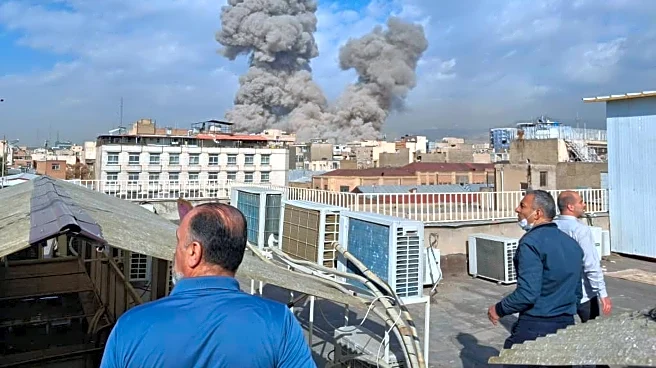
President Trump has stated that he is 'not happy' with the current negotiations regarding Iran's nuclear program. Speaking to reporters, Trump emphasized that no final decision has been made about potential military action, but he expressed dissatisfaction
with Iran's unwillingness to meet U.S. demands. The comments come amid a significant U.S. military buildup in the region and ahead of Secretary of State Marco Rubio's planned visit to Israel to discuss rising tensions with Iran. Vice President JD Vance has assured that there is 'no chance' of a prolonged war in Iran, emphasizing a preference for diplomatic solutions. The situation remains tense as indirect talks between the U.S. and Iran continue without resolution.
Why It's Important?
The ongoing negotiations and potential military actions concerning Iran's nuclear program have significant implications for U.S. foreign policy and regional stability in the Middle East. President Trump's dissatisfaction with the negotiations could lead to increased military involvement, which may escalate tensions and impact global oil markets. The administration's approach to Iran is a critical aspect of its broader foreign policy strategy, and the outcome of these negotiations could influence U.S. relations with allies and adversaries alike. The situation also highlights the challenges of balancing diplomatic efforts with military readiness in addressing international security threats.
What's Next?
As Secretary of State Marco Rubio prepares to visit Israel, discussions about Iran are expected to be a central focus. The U.S. administration may continue to explore diplomatic avenues while maintaining military preparedness. The outcome of these talks could shape future U.S. actions and influence international responses. Stakeholders, including U.S. allies in the region, will be closely monitoring developments to assess potential impacts on regional security and economic interests.