






What's Happening?
Florida is investing in energy reliability as the state faces annual hurricane landfalls and increasing electricity demand. Natural gas fuels about 75% of Florida's electricity generation, leaving the grid exposed to supply disruptions. Utility-scale
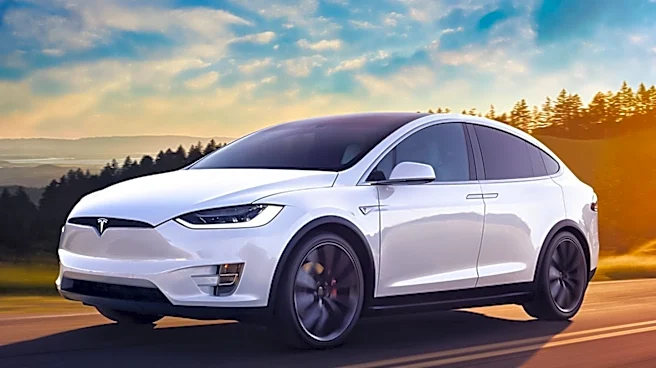
solar is expanding to meet rising demand, with Florida ranking third nationally in solar generation. Residential electricity consumption is high, with nearly all households using air conditioning and electricity for heating. This has led to increased installations of backup generators and EV chargers, as residents seek control over their power reliability.
Why It's Important?
Florida's focus on energy reliability highlights the challenges faced by states with high residential electricity consumption and exposure to natural disasters. The expansion of solar energy and the installation of backup systems reflect a shift towards resilience at the property level. This trend is significant for grid planners, as it indicates a growing demand for distributed energy solutions alongside utility-scale developments.
What's Next?
As Florida continues to invest in energy reliability, grid planners must consider the impact of distributed energy solutions on overall demand growth. Tracking property-level resilience decisions will be crucial in understanding the state's energy landscape and ensuring adequate capacity to meet future needs.