





What's Happening?
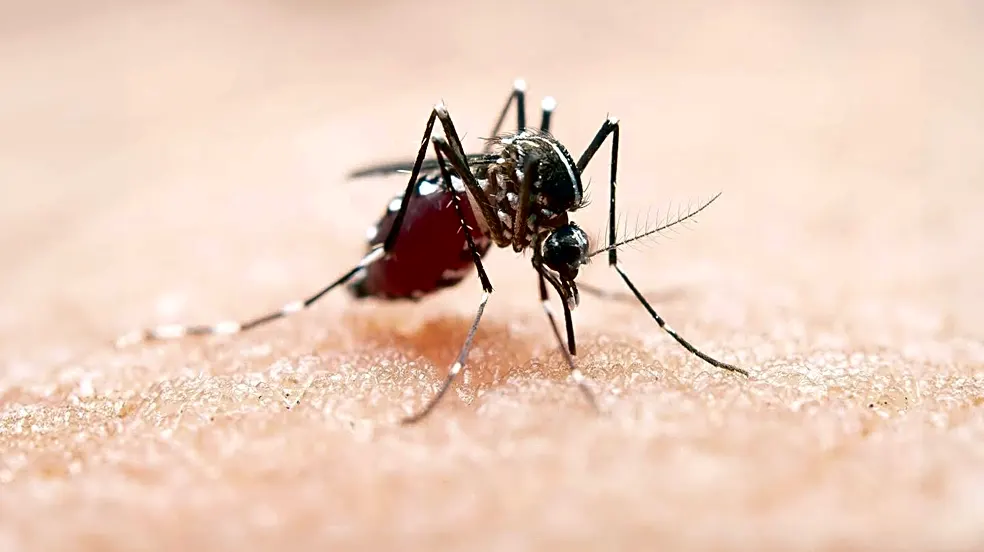
During monsoon seasons, cities like Chennai experience an increase in mosquito-borne infections, making it difficult to distinguish between dengue, chikungunya, and Zika due to their similar initial symptoms. These illnesses, all transmitted by the same
mosquito species, often present with fever, headache, and body aches. Doctors note that while a blood test is ultimately necessary for definitive diagnosis, certain clinical features can offer clues. For instance, chikungunya is frequently characterized by intense joint pain, swelling, and stiffness, which can persist for weeks or months after the fever subsides, affecting areas like wrists, fingers, knees, and ankles. Early assessment is particularly crucial for suspected dengue cases, as the risk of complications can escalate as the fever begins to subside. The challenge lies in the overlapping symptoms during the initial stages of these infections.
Why It's Important?
The difficulty in differentiating between dengue, chikungunya, and Zika has significant public health implications, particularly in regions prone to monsoon-related mosquito proliferation. Misdiagnosis or delayed diagnosis can lead to inappropriate treatment and potentially severe health outcomes, especially for dengue where complications can rapidly increase. The persistence of symptoms like joint pain in chikungunya can also lead to prolonged suffering and impact quality of life for affected individuals. This diagnostic challenge underscores the need for robust public health campaigns to educate the public on early warning signs and the importance of seeking medical attention. It also highlights the ongoing demand for rapid, accurate, and accessible diagnostic tools to effectively manage outbreaks and prevent severe illness in affected populations.
What's Next?
As mosquito-borne illnesses continue to be a recurring challenge during monsoon seasons, ongoing efforts will likely focus on improving diagnostic capabilities and public awareness. Medical professionals will continue to rely on a combination of clinical observation and laboratory testing to accurately identify these infections. Public health initiatives may intensify to educate communities on mosquito control measures and the distinct symptoms of each disease, encouraging timely medical consultation. Research into more efficient and accessible diagnostic tests that can differentiate between these viruses quickly and accurately could also be a priority. Furthermore, continued surveillance of mosquito populations and disease prevalence will be essential to anticipate and manage future outbreaks effectively.
Beyond the Headlines
The recurring challenge of distinguishing between dengue, chikungunya, and Zika extends beyond immediate medical diagnosis, touching upon broader societal and economic impacts. The similar symptoms can create anxiety and confusion among the public, potentially leading to self-medication or delayed professional care, which can exacerbate health risks. Economically, outbreaks of these diseases can strain healthcare systems, lead to lost productivity due to illness, and impact tourism in affected regions. The environmental factors contributing to mosquito proliferation, such as climate change and urbanization, suggest that these diagnostic challenges will likely persist and potentially worsen. This situation underscores the interconnectedness of public health, environmental management, and socio-economic stability, demanding integrated strategies for prevention, diagnosis, and treatment.