



What's Happening?
In Hull, the remnants of World War II bomb sites continue to mark the landscape, serving as a testament to the city's wartime experiences and subsequent rebuilding efforts. Rob Haywood, a local history enthusiast, has maintained the Hull Bomb Map, an online
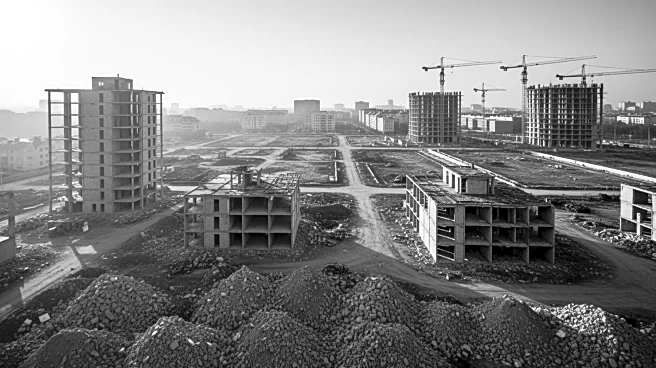
resource that plots the locations of bombs dropped during the war. The map reveals gaps between properties and areas of green grass where homes once stood, indicating the sites of destruction. Hull experienced over 80 raids during the war, resulting in approximately 1,200 deaths and 3,000 injuries. The raids destroyed or severely damaged thousands of homes and flattened parts of the city center. Post-war, ambitious plans were made to modernize Hull, including moving residents from inner-city slums to new estates and redesigning the city center. While some areas were successfully redeveloped, others remain marked by their wartime history.
Why It's Important?
The preservation and documentation of Hull's bomb sites offer valuable insights into the impact of war on urban environments and the challenges of post-war reconstruction. These sites serve as historical reminders of the human cost of conflict and the resilience required to rebuild communities. The efforts to modernize Hull post-war reflect broader themes in urban planning and development, highlighting the balance between preserving historical sites and accommodating modern needs. The Hull Bomb Map and ongoing restoration projects, such as the National Picture Theatre, underscore the importance of remembering history while fostering community engagement and education.
What's Next?
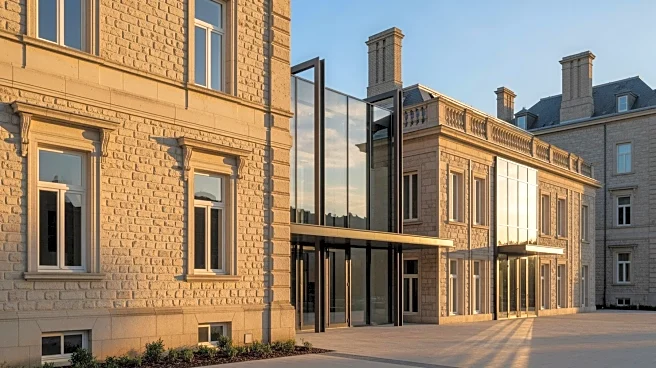
The restoration of the National Picture Theatre as an events space and memorial is a significant step in preserving Hull's wartime history. This project aims to honor those who lost their lives during the bombings and provide a venue for community events. As Hull continues to evolve, there may be further initiatives to preserve other historical sites and integrate them into the city's cultural and educational landscape. The ongoing interest in Hull's wartime history could lead to increased tourism and educational opportunities, fostering a deeper understanding of the city's past.
Beyond the Headlines
The preservation of Hull's bomb sites raises important questions about the ethical considerations of urban development and historical conservation. Balancing the need for modern infrastructure with the preservation of historical sites requires careful planning and community involvement. The restoration of the National Picture Theatre exemplifies how historical sites can be repurposed to serve contemporary needs while honoring the past. This approach can inspire other cities facing similar challenges, promoting sustainable urban development that respects historical legacies.