







What's Happening?
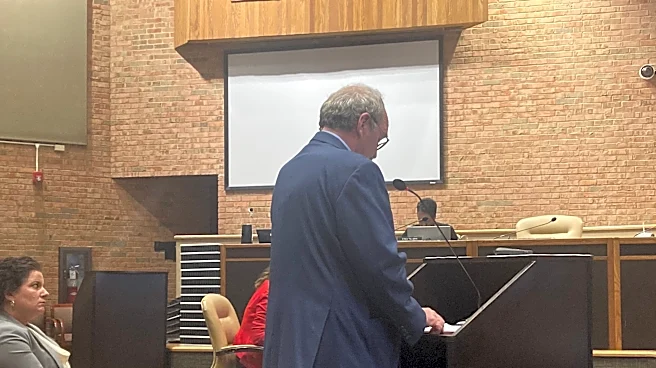
The Newton Health and Human Services Department has denied a resident's request to keep her miniature horse, Clover, in her backyard. Judy Hinchey, the owner, has been ordered to remove Clover from her Auburndale home within 21 days. The city's decision
follows an appeal hearing where officials ruled that Clover, despite being a miniature horse, is classified as a 'Large Animal' under Newton's regulations. Consequently, Hinchey's property does not meet the required manure storage requirements, which mandate that manure storage be at least 100 feet from property lines and 50 feet from any dwelling. The dispute originated from approximately 10 complaints filed by neighbors regarding the smell of horse manure. Hinchey stated she had invested around $100,000 in her backyard setup, believing she had received prior city approvals to house a miniature horse.
Why It's Important?
This case highlights the complexities and potential conflicts arising from urban and suburban zoning laws concerning animal ownership, particularly for non-traditional pets. The classification of a miniature horse as a 'Large Animal' by the City of Newton, despite its smaller size, sets a precedent that could impact other residents seeking to keep similar animals. The financial investment made by Hinchey, reportedly $100,000, based on what she believed were prior approvals, underscores the need for clear and consistent communication between city departments and residents regarding permit requirements. This situation also brings to light the tension between individual property rights and community concerns, such as odor complaints from neighbors, which often drive such regulatory enforcement. The outcome could influence how other municipalities define and regulate animal ownership, especially for animals that blur the lines between traditional pets and livestock.
What's Next?
Judy Hinchey plans to challenge the City of Newton's decision in court. If she proceeds with legal action, the 21-day deadline for Clover's removal would be extended until the appeal process concludes, which could take several months to over a year. Hinchey expressed her reluctance to find a new home for Clover, emphasizing the horse's role as a trained therapy animal and the emotional bond they share. The legal battle will likely focus on the interpretation of Newton's 'Large Animal' regulations and whether the city's definition is appropriate for miniature horses, as well as the validity of Hinchey's prior approvals and investments. The case could lead to a reevaluation or clarification of animal ownership ordinances in Newton and potentially other communities facing similar issues.
Beyond the Headlines
Beyond the immediate legal and regulatory implications, this situation touches upon the evolving role of animals in human lives, particularly the rise of emotional support and therapy animals. Hinchey's assertion that Clover is a trained therapy animal adds a layer of complexity, as such animals often receive special considerations in various contexts. The case also raises questions about the adaptability of existing urban and suburban ordinances to modern pet ownership trends and the increasing desire for diverse animal companions. The significant financial investment made by Hinchey, coupled with her emotional attachment to Clover, highlights the personal stakes involved in such disputes. This incident could spark broader discussions about how cities balance public health concerns, neighborhood harmony, and the rights of individuals to keep animals that provide therapeutic benefits.