
What's Happening?
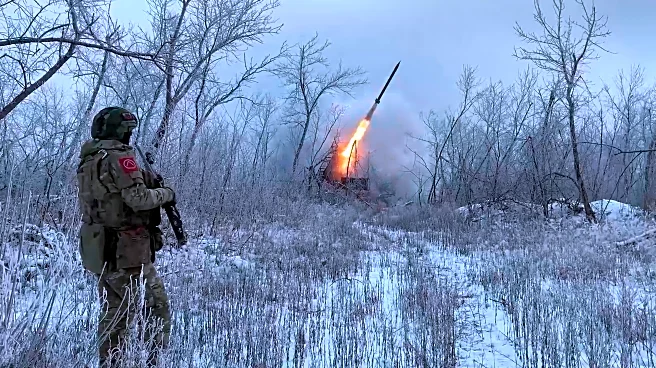
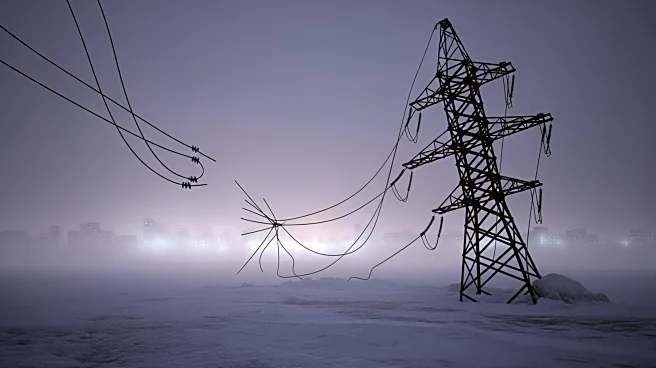
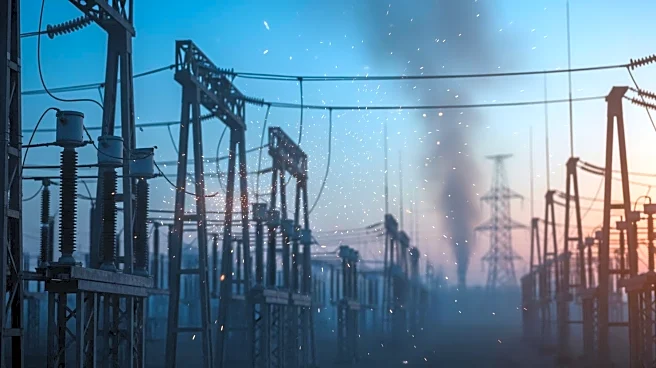
In Kyiv, residents are facing power cuts lasting up to 20 hours per day due to Russian strikes on thermal plants, leaving many buildings without heat. Despite these challenges, Ukrainians are finding innovative
ways to cope with the blackouts. The strikes, which also target energy networks in cities like Kharkiv and Odesa, aim to force Ukraine into negotiations. However, Ukraine's air defenses have been effective, destroying a significant percentage of drones and missiles. Cities have adapted by building mini-CHPs and boiler houses, which are difficult to target. Residents have also formed Condominium Owners Associations to manage and upgrade their buildings, improving energy efficiency and reducing utility costs. These efforts have been crucial for survival during the ongoing conflict.
Why It's Important?
The resilience and adaptability of Ukrainians in the face of energy shortages highlight the importance of community-driven initiatives and technological innovation in crisis situations. The ability to maintain essential services despite prolonged power outages demonstrates the effectiveness of decentralized energy solutions and the potential for similar strategies to be applied in other regions facing energy crises. This situation also underscores the broader geopolitical implications of energy security and the need for international support to bolster Ukraine's infrastructure against ongoing threats.
What's Next?
As the conflict continues, further adaptations and innovations are likely to emerge from Ukrainian communities. The international community may increase support for Ukraine's energy infrastructure, potentially leading to new partnerships and investments in renewable energy solutions. The ongoing situation could also influence global energy policies, emphasizing the need for resilience and sustainability in energy systems worldwide.