



What's Happening?
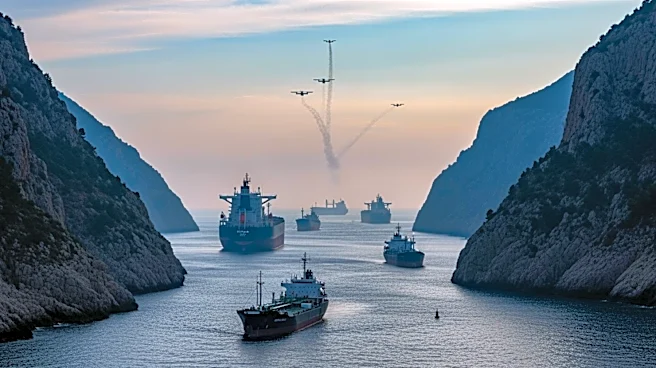
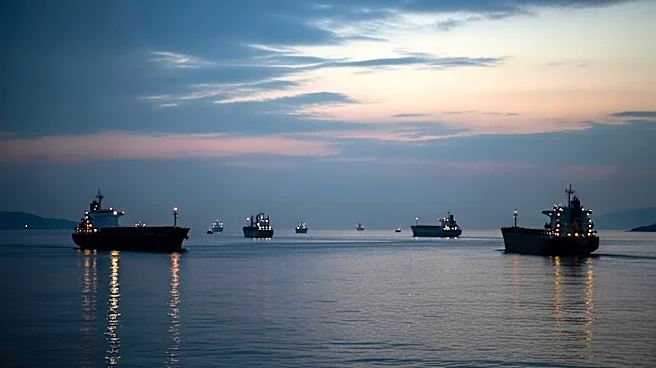
Shipping activity in the Strait of Hormuz has significantly decreased, with only seven ships, primarily dry bulk vessels, crossing the waterway in the past 24 hours. This reduction in traffic is attributed to stalled negotiations between the United States
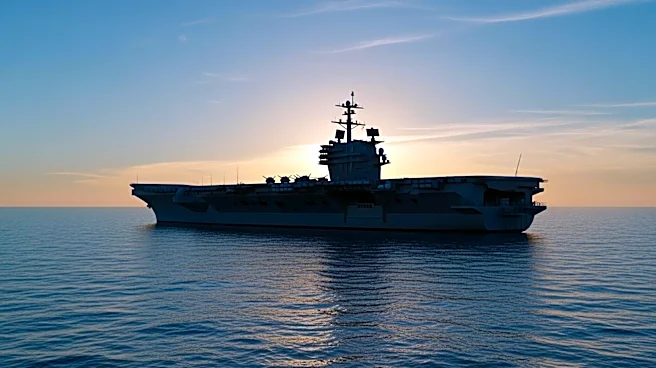
and Iran. The current shipping activity is a mere fraction of the average 140 daily passages recorded before the onset of the Iran war on February 28. The U.S. Central Command has redirected 37 vessels since a blockade was imposed on Iran on April 13. Additionally, six Iranian tankers have returned to Iranian ports, carrying approximately 10.5 million barrels of oil, as per satellite analysis from TankerTrackers.com.
Why It's Important?
The reduced shipping traffic in the Strait of Hormuz, a critical chokepoint for global oil transportation, underscores the geopolitical tensions between the United States and Iran. The blockade and stalled talks have disrupted the flow of oil, potentially impacting global oil prices and supply chains. The situation highlights the strategic importance of the Strait of Hormuz, through which a significant portion of the world's oil supply passes. The ongoing conflict and diplomatic stalemate could lead to further economic repercussions, affecting industries reliant on stable oil supplies and contributing to market volatility.
What's Next?
The future of shipping traffic in the Strait of Hormuz largely depends on the outcome of diplomatic efforts between the United States and Iran. If negotiations remain stalled, the blockade and reduced shipping activity may persist, potentially leading to further economic and geopolitical consequences. Stakeholders, including global oil markets and shipping companies, will be closely monitoring the situation for any signs of progress or escalation. The U.S. and Iran may face increased pressure from international actors to reach a resolution to stabilize the region and ensure the free flow of oil.