

What's Happening?
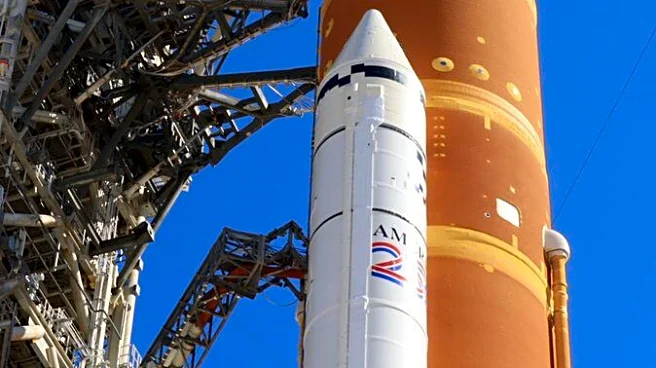
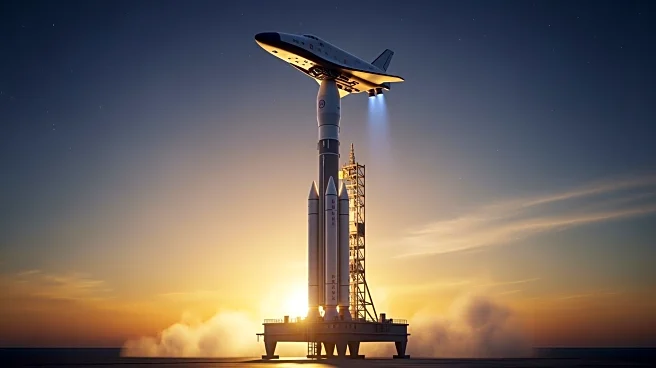
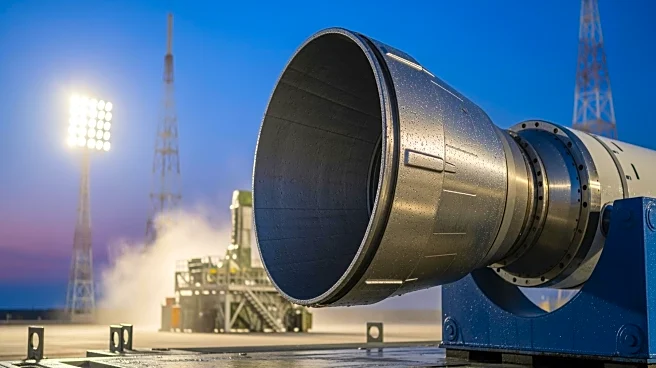
NASA is considering rolling back the Artemis II rocket and Orion spacecraft to the Vehicle Assembly Building after detecting an interrupted helium flow in the Space Launch System's interim cryogenic propulsion stage. This issue could delay the planned
March 6 launch of the Artemis II mission, which aims to send four astronauts around the moon. The mission includes three U.S. astronauts and one Canadian astronaut and is set to be the farthest human spaceflight ever. The helium flow is critical for the launch, and NASA is assessing the situation to determine the next steps.
Why It's Important?
The potential delay of the Artemis II mission is significant as it represents a critical step in NASA's efforts to return humans to the moon. The mission is part of the broader Artemis program, which aims to establish a sustainable human presence on the moon by the end of the decade. Delays could impact the timeline for future missions, including the planned Artemis III moon landing. The situation highlights the technical challenges involved in space exploration and the importance of ensuring all systems are fully operational before proceeding with such high-stakes missions.