









What's Happening?
The United States is experiencing a significant rise in income inequality, with the richest 1% of households seeing an increase in their share of national income. According to estimates from the Congressional Budget Office (CBO), the share of income for
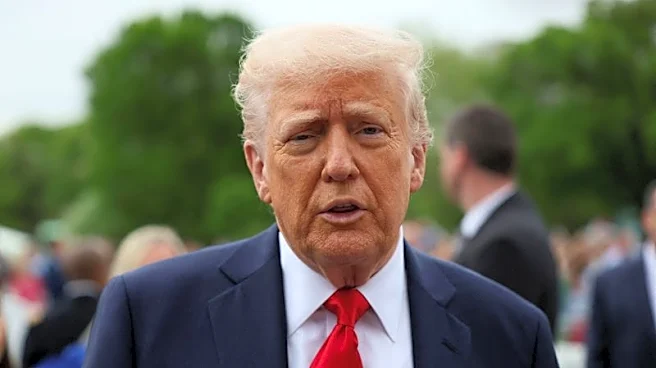
the wealthiest 1% increased from 12.5% at the end of President Obama's term to 13.2% by the end of President Trump's first term. This rise is attributed to policies such as the Tax Cuts and Jobs Act of 2017, which provided substantial tax cuts to higher-income individuals. Although the CARES Act, signed by President Trump in response to the COVID-19 pandemic, temporarily improved the financial situation for the poorest households, the share of income for the bottom fifth has since decreased under President Biden. The ongoing challenge is whether redistribution efforts can effectively address the growing economic disparities.
Why It's Important?
The increasing income inequality in the U.S. has significant implications for economic stability and social cohesion. As the wealth gap widens, the economic power and influence of the wealthiest individuals grow, potentially leading to a plutocratic society where policy decisions favor the rich. This trend can undermine democratic processes and exacerbate social tensions. The lack of effective redistribution policies may also hinder economic growth, as lower-income households have less disposable income to spend, which can reduce overall demand in the economy. Addressing these disparities is crucial for ensuring a more equitable distribution of wealth and maintaining a balanced economic system.