







What's Happening?
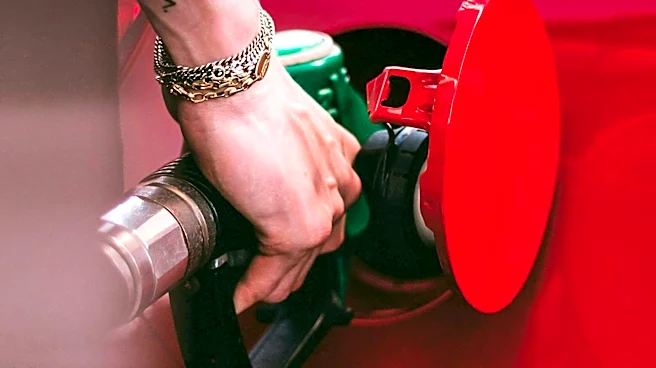
Libya's House of Representatives has issued a statement to address public anxieties regarding potential reforms to the country's fuel subsidy system. The statement confirms that a study is underway to explore transitioning from commodity-based fuel subsidies
to a cash-based system. This initiative is part of broader efforts to tackle economic imbalances within the nation. The House emphasized that this study does not signify an immediate abolition or replacement of existing subsidies. Any decision concerning the reform or replacement of the subsidy system will only be made after all necessary studies are completed and essential requirements and safeguards are established. These measures are intended to protect citizens' rights, ensure equitable access, maintain their standard of living, and promote national economic stability. The public's concern stems from a lack of trust in the state's ability to manage economic affairs effectively since the 2011 revolution, fearing that they will bear the brunt of economic mismanagement.
Why It's Important?
This development is significant for Libya's economic stability and public trust. The current fuel subsidy system, while providing immediate relief to citizens, contributes to economic imbalances. A transition to a cash-based system could potentially streamline government spending and reduce opportunities for corruption, which has been a persistent issue since the 2011 revolution. However, the public's skepticism, rooted in past failures of the state to deliver public goods and services, highlights a critical challenge. If the government fails to implement the cash-based subsidies effectively, it could exacerbate public discontent and further erode trust in state institutions. Successful reform could lead to a more transparent and efficient allocation of resources, benefiting the national economy in the long run. Conversely, a botched implementation could lead to social unrest and deepen the economic crisis, impacting the daily lives of ordinary Libyans who rely on these subsidies.
What's Next?
The immediate next step involves the completion of comprehensive studies on the proposed cash-based fuel subsidy system. The House of Representatives has committed to ensuring that all necessary requirements and safeguards are in place before any decision is made to replace or reform the current system. This suggests a period of evaluation and planning, during which various stakeholders, including economic experts and potentially civil society groups, will likely be consulted. The government will need to develop a robust mechanism for distributing cash subsidies to ensure they reach the intended beneficiaries without bureaucratic hurdles or corruption. Public communication and engagement will be crucial to rebuild trust and manage expectations. The success of these reforms will depend heavily on the government's ability to demonstrate transparency and efficiency in its implementation, addressing the deep-seated public fears of mismanagement and corruption.
Beyond the Headlines
The discussion around fuel subsidy reform in Libya touches upon deeper issues of governance, public trust, and economic sovereignty. The public's fear that they will 'pay the price' for the ruling elite's mismanagement underscores a fundamental crisis of legitimacy that has plagued Libya since the 2011 conflict. The proposed shift from commodity-based to cash-based subsidies, while economically rational, carries significant political and social risks. It highlights the ethical dilemma faced by governments in post-conflict states: how to implement necessary economic reforms without further burdening a population already struggling with instability and corruption. The outcome of this reform effort could serve as a critical test of the Libyan government's capacity to enact meaningful change and restore confidence among its citizens, potentially influencing future policy decisions and the broader trajectory of the nation's recovery.