


What's Happening?
Pakistan has once again emerged as a key diplomatic facilitator in international conflicts, specifically in the ongoing U.S.-Iran tensions. Historically, Pakistan has played a significant role in mediating between rival powers, such as facilitating U.S. President
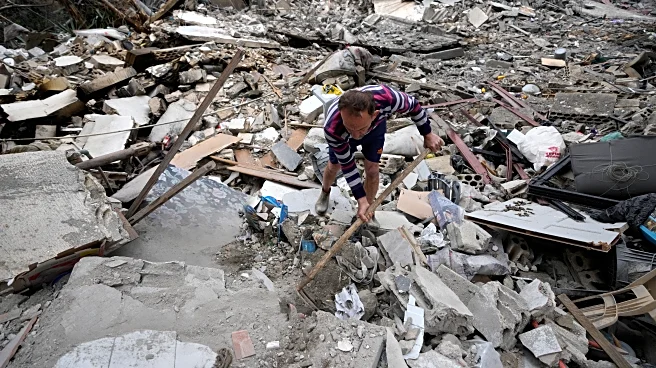
Richard Nixon's visit to China in 1972. Currently, Pakistan is relaying a U.S. ceasefire proposal to Iran, with additional support from Turkey and Egypt. This comes amid the U.S.-Israeli military campaign against Iran, which began in February 2026. President Trump recently announced a pause on strikes against Iranian power plants, citing a request from the Iranian government, although Iran denies direct negotiations. Pakistan's involvement highlights its strategic position and historical role in diplomatic mediation.
Why It's Important?
Pakistan's involvement in mediating U.S.-Iran tensions underscores its strategic importance in international diplomacy. By acting as a mediator, Pakistan leverages its geographical and political ties to influence peace processes. This role not only enhances Pakistan's diplomatic standing but also impacts U.S. foreign policy and regional stability in the Middle East. Successful mediation could lead to de-escalation of military tensions, benefiting global security and economic interests. However, the effectiveness of Pakistan's mediation remains uncertain, as past efforts have had mixed results. The outcome of these diplomatic efforts could significantly affect U.S.-Iran relations and broader geopolitical dynamics.
What's Next?
The next steps in this diplomatic effort involve continued communication between the involved parties, with Pakistan maintaining its role as a mediator. The U.S. and Iran may engage in further indirect negotiations, potentially leading to a formal ceasefire agreement. Regional stakeholders, including Saudi Arabia and other Gulf states, will likely monitor developments closely, given their vested interests in regional stability. The international community will watch for any shifts in U.S. foreign policy or changes in Iran's stance. The success of these efforts could pave the way for broader diplomatic engagements in the region.
Beyond the Headlines
Pakistan's role as a mediator highlights the complex interplay of regional politics and international diplomacy. Its ability to maintain relations with both the U.S. and Iran positions it uniquely as a peace broker. This situation also reflects the broader geopolitical shifts, where non-traditional powers like Pakistan can influence major international conflicts. The ethical implications of such mediation efforts involve balancing national interests with global peace objectives. Long-term, Pakistan's diplomatic engagements could redefine its international role and influence future peace processes.