






What's Happening?
Robert McNamara, remembered as both the U.S. Secretary of Defense during the Vietnam War and later as the President of the World Bank, left a complex legacy marked by significant achievements and controversies. As Secretary of Defense, McNamara was a key
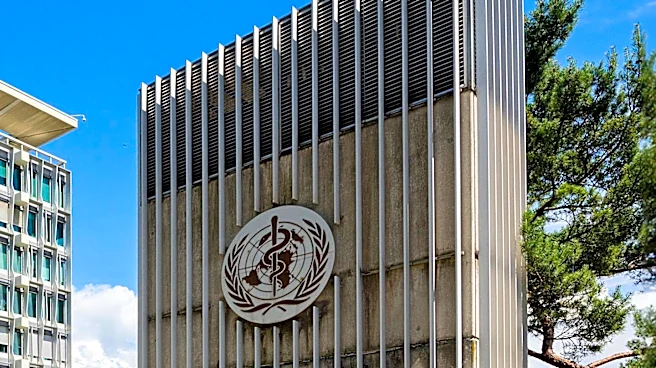
figure in escalating U.S. involvement in Vietnam, a decision that later led to widespread criticism. After leaving the Pentagon, he became President of the World Bank, where he focused on global poverty reduction and significantly expanded the institution's operations. His tenure at the World Bank was characterized by a push for increased lending and a focus on addressing absolute poverty, although his strategies and the outcomes of his policies remain subjects of debate.
Why It's Important?
McNamara's career highlights the challenges and impacts of technocratic leadership in both military and economic spheres. His approach to quantification and systematization influenced defense procurement and global development strategies. The Vietnam War remains a pivotal moment in U.S. history, shaping public opinion on military intervention and foreign policy. At the World Bank, McNamara's efforts to combat poverty set the stage for future development initiatives, although his methods and the effectiveness of structural adjustment programs have been criticized. Understanding McNamara's legacy provides insights into the complexities of leadership and the long-term effects of policy decisions on global scales.
Beyond the Headlines
McNamara's life reflects the tension between technocratic efficiency and ethical considerations. His reliance on data and systems often overshadowed the human and moral dimensions of the issues he addressed. The Vietnam War and his subsequent silence on its failures illustrate the potential pitfalls of prioritizing loyalty to leadership over public accountability. At the World Bank, his focus on rapid expansion sometimes led to oversight in project effectiveness and sustainability. McNamara's story serves as a cautionary tale about the limits of technocratic governance and the importance of integrating ethical judgment into decision-making processes.