




What's Happening?
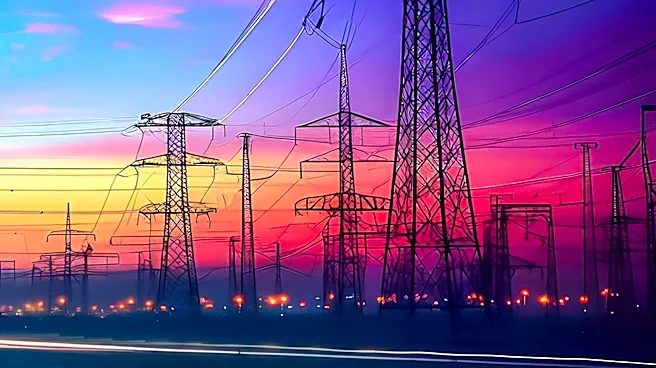
The SunZia project, the largest renewable energy infrastructure project in U.S. history, has completed its 550-mile transmission line, carrying electricity from 914 wind turbines in New Mexico across the Western grid. This milestone is crucial for decarbonizing
the country's energy supply. However, the project faced challenges regarding its impact on wildlife, particularly birds. Conservationists, including Audubon, collaborated with Pattern Energy and project partners starting in 2018, years before construction began. This early engagement allowed for the integration of conservation science into the design decisions. Concrete changes were implemented, such as installing bird flight diverters on high-risk portions of the transmission line to increase visibility for birds and relocating transmission line crossings along the Rio Grande River to reduce hazards for migratory species like Sandhill Cranes. Additionally, where feasible, portions of the line were co-located alongside existing rights-of-way to minimize habitat fragmentation.
Why It's Important?
The SunZia project demonstrates a significant shift in how large-scale renewable energy infrastructure can be developed while addressing environmental concerns. The U.S. has a clear imperative to expand its transmission grid to deliver renewable energy and meet climate goals, as highlighted by Audubon's 2023 Birds and Transmission Report. However, poorly planned infrastructure can have severe consequences for wildlife, including habitat fragmentation, disruption of migration corridors, and collision hazards for birds. The collaborative approach taken by SunZia, involving conservation organizations from the early planning stages, sets a precedent for future projects. This model ensures that environmental responsibility is treated as a design principle rather than a mere compliance checkbox, potentially mitigating the negative impacts of necessary grid expansion on ecosystems and biodiversity. This approach is vital for achieving climate objectives without unduly sacrificing natural habitats.
What's Next?
The completion of SunZia marks the beginning of broader efforts to modernize and expand transmission infrastructure across the Intermountain West, with the Western Governors’ Association leading a multi-state initiative. This ongoing effort will involve numerous decisions regarding routing, siting, and design, which will significantly impact bird habitats. SunZia's model of early engagement with conservation organizations, integration of science into planning, and treating environmental responsibility as a core design principle offers a replicable framework. The central question moving forward is whether this collaborative approach will become standard practice or remain an exception. The response from developers, conservationists, and regulators in upcoming projects will determine the long-term costs of the clean energy grid on the natural world, affecting birds, communities, and ecosystems for decades to come.
Beyond the Headlines
The SunZia project highlights the evolving ethical and practical considerations in large-scale infrastructure development, particularly in the context of climate change and renewable energy. It underscores the idea that regulatory compliance should be viewed as a minimum standard, not the ultimate goal. By voluntarily exceeding regulatory requirements and implementing additional conservation commitments, SunZia establishes a new benchmark for environmental stewardship in the energy sector. This proactive approach can foster greater public trust and reduce potential conflicts between development and conservation interests. The project also illustrates the power of interdisciplinary collaboration, demonstrating that complex environmental challenges can be addressed effectively when diverse stakeholders work together from the outset, integrating scientific knowledge into practical engineering and design. This sets a precedent for how future national infrastructure projects might navigate the delicate balance between progress and preservation.