

What's Happening?
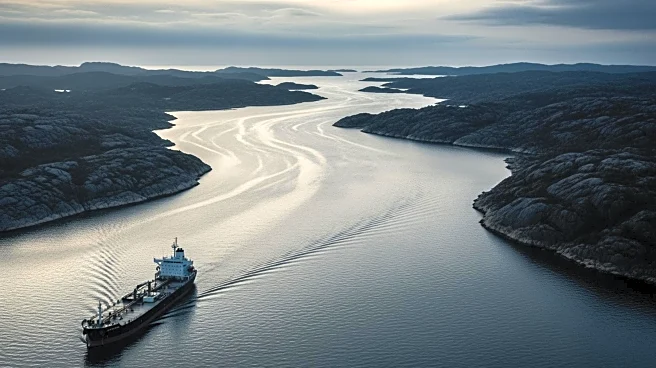
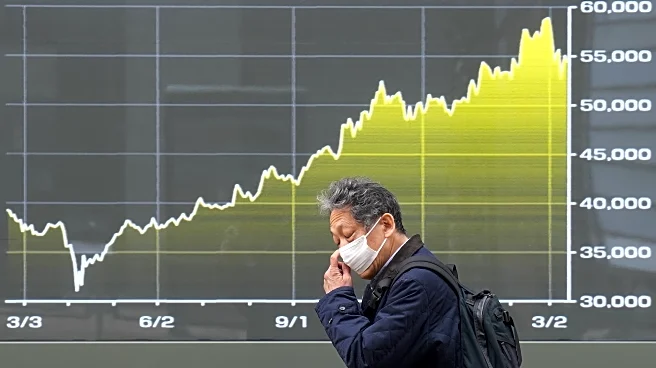
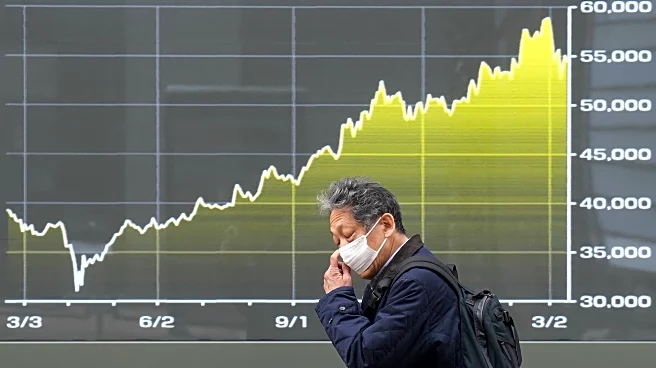
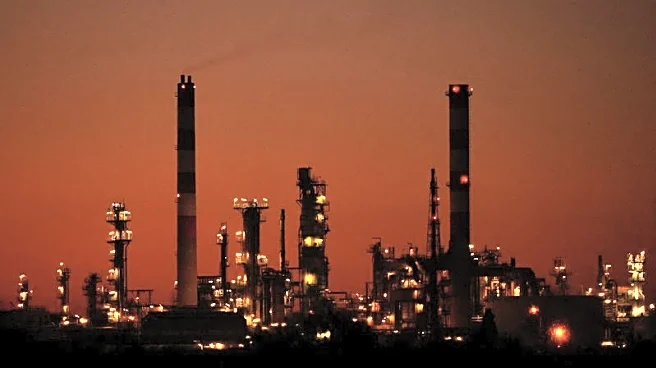
The shutdown of the Strait of Hormuz is significantly impacting global oil and LNG prices, as well as downstream and byproduct markets. The International Energy Agency (IEA) predicts a reduction in global oil supply by eight million barrels per day in March.
This disruption is affecting international commodity markets for sulfur, helium, urea, naphtha, and petrochemical products, with shipping facing price spikes and availability issues for bunker fuel. In Singapore, VLSFO prices have doubled since the U.S.-Iran conflict began, reaching over $1,000 per tonne. Maersk is taking steps to redistribute its fuel supplies to ensure operational continuity. The situation has led to discussions about potential regulatory changes, such as waiving IMO2020 VLSFO fuel requirements to ease bunker prices.
Why It's Important?
The shutdown of the Strait of Hormuz, a critical chokepoint for global oil transport, has far-reaching implications for the industrial economy. The resulting supply disruptions and price increases are affecting various sectors, including shipping, which relies heavily on bunker fuel. The potential regulatory changes to address fuel shortages highlight the challenges of balancing environmental regulations with economic realities. The situation underscores the vulnerability of global supply chains to geopolitical tensions and the need for strategic planning to mitigate such risks. The impact on fuel prices and availability could lead to increased operational costs for industries reliant on maritime transport.
What's Next?
As the situation develops, stakeholders in the shipping and energy sectors will need to adapt to the changing market conditions. Companies may explore alternative fuel sources or adjust their supply chains to mitigate the impact of the Hormuz shutdown. Regulatory bodies may consider temporary measures to alleviate fuel shortages and stabilize prices. The ongoing geopolitical tensions in the region will likely continue to influence global energy markets, prompting businesses to reassess their risk management strategies. The resolution of the conflict and the reopening of the Strait of Hormuz will be critical in restoring stability to the affected markets.