



What's Happening?
Kentucky Agriculture Commissioner Jonathan Shell has outlined his priorities for 2026, focusing on strengthening the state's agricultural economy. Reflecting on the challenges of 2025, Shell emphasized the need to correct trade policies and reduce reliance
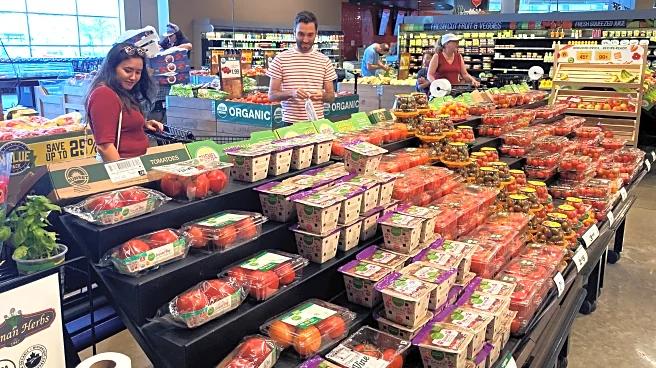
on subsidies, which he described as temporary solutions. He is advocating for the removal of barriers that hinder schools from purchasing Kentucky-grown food, supporting Senate Bill 5 to facilitate this process. Additionally, Shell plans to expand the Food Is Medicine initiative, which integrates local food into hospital cafeterias, and aims to boost agritourism to drive economic growth. These efforts are part of a broader strategy to connect Kentucky-grown products directly with consumers and enhance profitability for local farmers.
Why It's Important?
The initiatives proposed by Commissioner Shell are significant for Kentucky's agricultural sector, which is a vital part of the state's economy. By focusing on local food procurement and agritourism, Shell aims to create sustainable markets for Kentucky farmers, reducing their dependency on federal subsidies. This approach not only supports local economies but also promotes healthier food options in schools and hospitals. The emphasis on agritourism could attract more visitors to the state, further boosting economic activity. These measures are designed to ensure long-term profitability and resilience for Kentucky's agricultural community, which has faced challenges due to economic pressures and trade uncertainties.
What's Next?
As Shell's initiatives unfold, the focus will be on the implementation of Senate Bill 5 and the expansion of the Food Is Medicine program. The success of these programs will depend on collaboration between the Department of Agriculture, the Department of Education, and local school districts. Additionally, the growth of agritourism will require strategic partnerships with local businesses and tourism boards. Stakeholders will be watching to see how these efforts impact the agricultural economy and whether they can serve as a model for other states facing similar challenges.