
What's Happening?
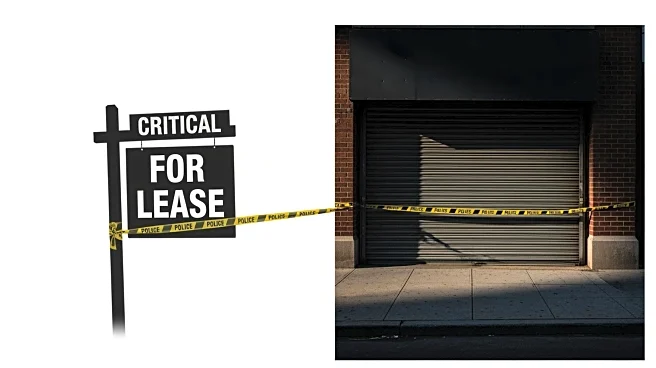
In 2025, several beloved local businesses in Austin, Texas, closed their doors due to a combination of rising costs, increased tariffs, and competition from larger national retailers. Notable closures
include Thom's Market, Trudy's Tex-Mex, Aster's Ethiopian, and Hana World Market. These businesses, some of which had been staples in the community for decades, cited financial pressures and the inability to compete with corporations with more capital as primary reasons for their shutdowns. For instance, Trudy's, a well-known Tex-Mex restaurant, closed its last location after more than 40 years, following a series of financial struggles and a buyout from bankruptcy in 2020. Similarly, Hana World Market, an Asian goods store, struggled to stay open amid competition from larger chains like H-Mart and 99 Ranch Market. The closures have left a significant impact on the local community, with many residents expressing sadness over the loss of these iconic establishments.
Why It's Important?
The closure of these businesses highlights the broader economic challenges faced by small and local businesses in urban areas like Austin. As larger corporations with more financial resources enter the market, smaller businesses often struggle to compete, leading to a loss of local culture and diversity in the business landscape. This trend can have significant implications for the local economy, as small businesses are often key contributors to job creation and community identity. The closures also reflect the impact of broader economic factors, such as tariffs and rising operational costs, which can disproportionately affect smaller enterprises. The loss of these businesses may lead to reduced consumer choice and a homogenization of available goods and services, impacting the unique character of neighborhoods and the overall vibrancy of the city.
What's Next?
The owners of some closed businesses, such as the restaurant on South Congress, have expressed intentions to find new locations and reopen. This indicates a potential for resilience and adaptation among local entrepreneurs, who may seek to reestablish their businesses in different areas or under new business models. However, the success of such efforts will likely depend on the ability to navigate the same economic challenges that led to the initial closures. Community support and potential policy interventions aimed at supporting small businesses could play a crucial role in facilitating these transitions. Additionally, the ongoing development and gentrification in Austin may continue to pose challenges for local businesses seeking affordable and sustainable locations.
Beyond the Headlines
The closures of these businesses also raise questions about the cultural and social implications of urban development and gentrification. As iconic local establishments disappear, there is a risk of eroding the cultural heritage and community ties that define neighborhoods. This can lead to a loss of identity and a sense of belonging among residents, particularly in rapidly changing urban environments. The situation underscores the need for balanced urban planning that considers the preservation of local culture and the support of small businesses as integral components of sustainable city development.