






What's Happening?
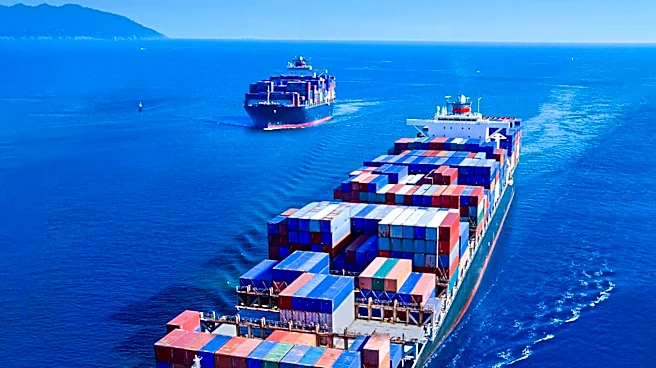
Chinese shipping company Sea Legend has launched the first regular container service through the Arctic, connecting China with the U.K. via Russia's northern coast. This new route, which could cut travel time by half, reflects the increasing use of the Arctic for
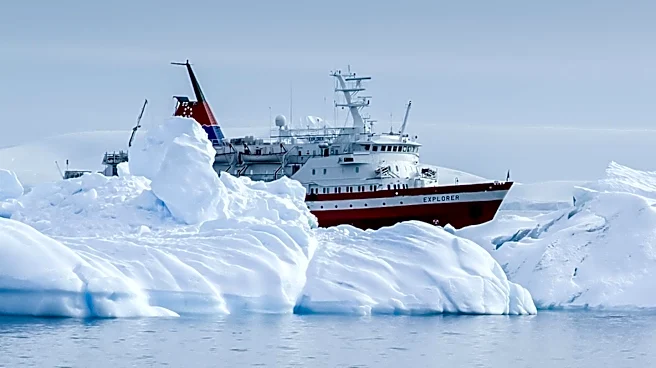
shipping as sea ice diminishes. The Northern Sea Route saw a record 23 transits last summer, up from 15 in 2024. While the route offers time and cost savings, it also poses significant environmental risks, such as potential oil spills and disruption to marine life. The Arctic remains a hazardous area for navigation, with over 500 maritime incidents recorded in the past decade.
Why It's Important?
The establishment of a regular Arctic shipping route by a major Chinese firm underscores the growing commercial interest in the region, driven by climate change. This development could transform global shipping patterns, offering a faster alternative to traditional routes that pass through geopolitical hotspots. However, the environmental risks associated with increased Arctic shipping are substantial. The potential for oil spills and disturbances to marine ecosystems poses a threat to the fragile Arctic environment. This move may prompt international discussions on regulating Arctic shipping to balance economic benefits with environmental protection.
What's Next?
As Arctic shipping becomes more common, there will likely be increased pressure on international bodies to establish comprehensive regulations to ensure environmental safety and navigational security. Shipping companies may invest in technology and infrastructure to mitigate risks, such as ice-class vessels and advanced navigation systems. Environmental groups may advocate for stricter oversight and conservation measures to protect the Arctic ecosystem. The success of this route could lead to more companies exploring Arctic shipping, further altering global trade dynamics and necessitating international cooperation on Arctic governance.