



What's Happening?
Islamic Relief is expanding its Winterisation Programme in Gaza to support vulnerable populations facing extreme hardship as winter approaches. The organization plans to provide one-time unconditional cash assistance to displaced individuals in shelters
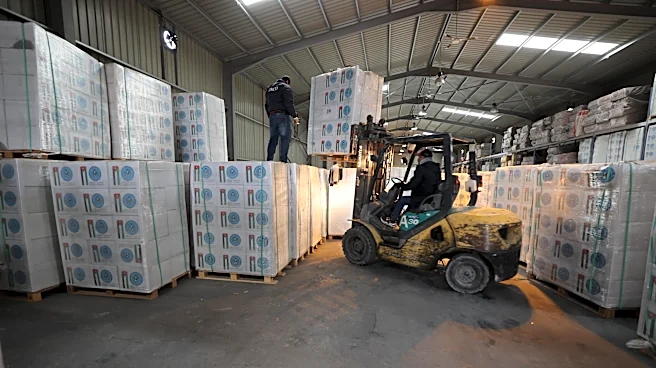
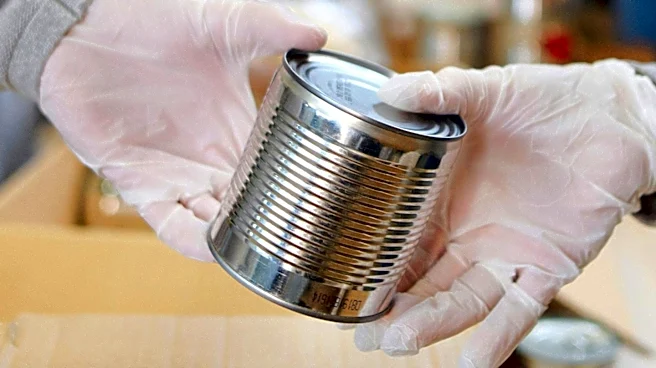
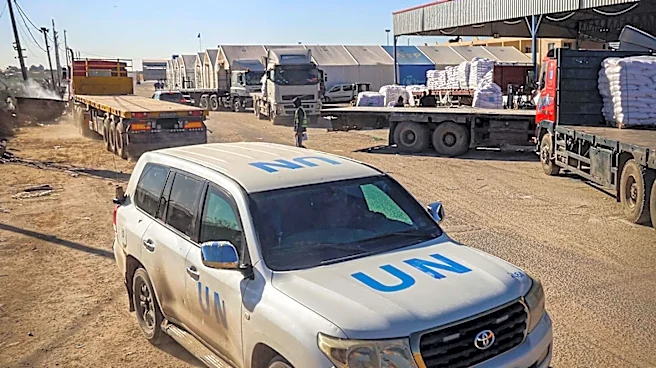
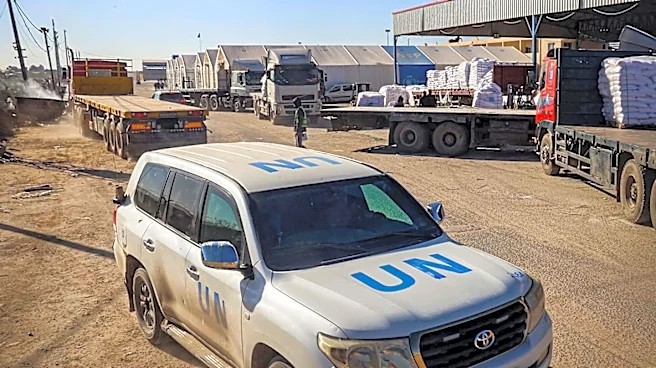
across Gaza. This cash aid allows recipients to purchase essential items such as warm clothes, heating materials like firewood and gas, food parcels, or cover medical bills, offering dignity and flexibility in a volatile market. Islamic Relief prioritizes the most vulnerable, including the poorest families, older people, individuals with disabilities, widowed mothers, orphaned children, and displaced persons, coordinating with the UN cluster system to identify those most in need. Despite significant challenges, including Israel's blockade restricting aid entry and the ongoing security risks, Islamic Relief staff and partners are delivering daily aid and constantly adapting their operations to ensure assistance reaches those affected.
Why It's Important?
The efforts by Islamic Relief are crucial in mitigating the severe impact of winter on Gaza's displaced population, many of whom live in makeshift shelters and tents. With temperatures dropping and the risk of flooding, the provision of cash assistance offers a flexible and dignified way for families to address their most immediate needs, which can fluctuate daily. This approach also supports local economies by enabling purchases from local shops. The ongoing blockade and restrictions on essential goods, including shelter materials and fuel, exacerbate the humanitarian crisis, making independent recovery nearly impossible for residents. The work of organizations like Islamic Relief highlights the critical role of NGOs in providing life-saving support where governmental and international aid faces significant hurdles, underscoring the resilience required to operate in such a challenging environment.
What's Next?
Islamic Relief's plans for the Winterisation Programme are subject to the highly dynamic and unpredictable security situation, humanitarian context, and operating environment in Gaza. The organization will continue to monitor conditions closely and adjust its assistance delivery methods as needed to ensure safety and effectiveness. Beyond winter support, Islamic Relief is engaged in other vital projects, including providing healthcare for pregnant women, new mothers, and babies, and supporting eight temporary learning centers for displaced children. These long-term initiatives aim to address the broader humanitarian needs in Gaza, focusing on health, education, and child welfare. The organization also continues to advocate for a fair future for Palestinians and an end to the blockade, recognizing that sustained change requires addressing the root causes of the crisis.
Beyond the Headlines
The challenges faced by Islamic Relief in delivering aid in Gaza, such as the Israeli blockade and restrictions on 'dual-use' items, reveal the complex political and logistical obstacles that impede humanitarian efforts. The fact that even basic items like paper and pencils can be denied entry, alongside critical medical and shelter materials, illustrates the profound impact of these restrictions on daily life and long-term recovery. The high number of aid workers killed in Gaza since October 2023 underscores the extreme dangers faced by those attempting to provide assistance, making it one of the most perilous places for humanitarian operations. This situation raises fundamental questions about international humanitarian law, the protection of civilians and aid workers, and the responsibility of all parties to ensure unimpeded access for life-saving aid.