





What's Happening?
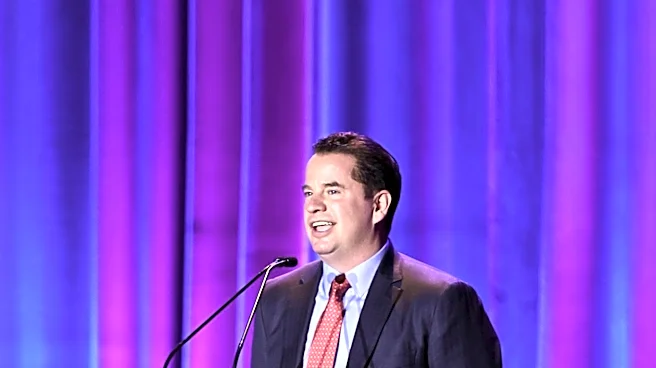
Mayor Paul Wymer delivered his inaugural State of the City address in Rio Rancho, focusing on the city's rapid population growth and the corresponding need for infrastructure and public safety enhancements. The address highlighted ongoing road work, with
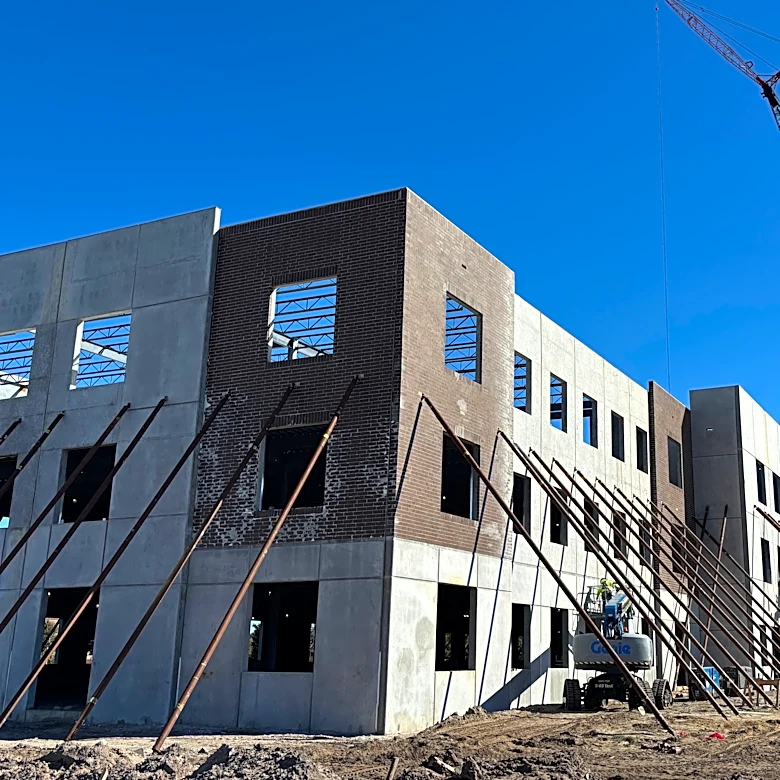
major rebuilds on Barbara Loop, Springer Drive, and Western Hills Drive expected to conclude by April. Wymer emphasized that roads are a primary concern for residents, especially after recent storms caused significant damage. The city's population has grown from 104,046 in 2020 to an estimated 112,524 in 2024, an 8% increase. This growth has led to an average of 877 new housing units annually from 2021 to 2025. To accommodate this expansion, the fiscal year 2027 budget allocates $14.4 million for Fire Station 8, slated to open in summer 2027. The Police Department will gain two new officers and two real-time crime center operators, while Fire Rescue will add nine positions. Additionally, police personnel received a 5% compensation adjustment, with an extra $1.4 million for specific positions to receive further increases and benefits. Community projects, including the Broadmoor Senior Center expansion and the Animal Resource Center kennel expansion, are also progressing.
Why It's Important?
Mayor Wymer's address underscores the critical challenges and opportunities facing rapidly growing U.S. cities. The focus on infrastructure, particularly road improvements, directly impacts daily life for residents, affecting commute times, vehicle maintenance, and overall quality of life. The significant investment in public safety, including a new fire station and additional police and fire personnel, is crucial for maintaining emergency response capabilities and ensuring community well-being as the population expands. The increase in housing units reflects a broader national trend of suburban growth, driven by factors such as affordability and quality of life, which in turn places pressure on existing municipal services. The compensation adjustments for police officers are vital for recruitment and retention, addressing potential staffing shortages that could compromise public safety. This comprehensive approach to managing growth, from physical infrastructure to public services, is essential for sustainable urban development and maintaining resident satisfaction in a dynamic environment.
What's Next?
Rio Rancho residents can anticipate the completion of several key road projects in the coming months, with Barbara Loop finishing in January, Springer Drive in February, and Western Hills Drive in April. The new Fire Station 8 is projected to open in the summer of 2027, significantly enhancing the city's emergency response capabilities. The Governing Body will review two major projects, a 278-home subdivision and the new $13.7 million fire station, at its upcoming meeting. The city will continue to implement its fiscal year 2027 budget, which includes funding for additional police and fire personnel, as well as compensation adjustments for police officers. Further community projects, such as the Animal Resource Center kennel expansion and the Esther Bone Library renovation, are moving into the construction phase. Residents are encouraged to participate in weighing in on city priorities, with the next Governing Body meeting scheduled for November 19th. The city also provides online resources for tracking road projects and contacting council members.
Beyond the Headlines
The rapid growth experienced by Rio Rancho, as highlighted in Mayor Wymer's address, reflects a broader demographic shift occurring across many U.S. metropolitan areas, particularly in the Sun Belt. This influx of new residents and housing developments often brings economic benefits but also strains existing resources and infrastructure. The emphasis on public safety and infrastructure development is not merely about maintaining services but also about preserving the social fabric and quality of life that attract residents in the first place. The challenge lies in balancing growth with sustainable development, ensuring that the city's expansion does not outpace its ability to provide essential services and maintain its character. This situation also raises questions about long-term urban planning, environmental impact, and the equitable distribution of resources as communities evolve. The city's efforts to engage residents in priority setting are crucial for fostering civic participation and ensuring that development aligns with community values.