




What's Happening?
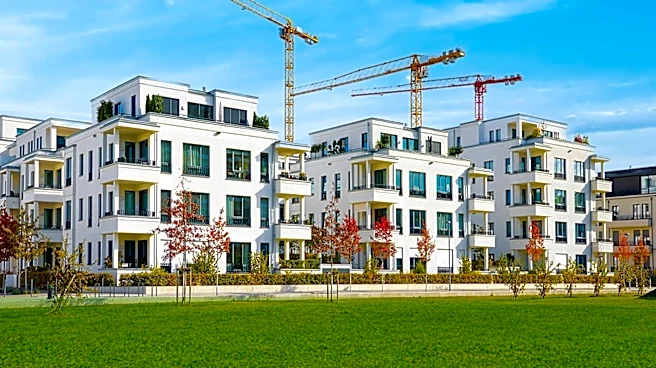
Escondido is considering a divisive plan to annex unincorporated land to facilitate the construction of 140 new homes. Developers Oscar Uranga and Keegan McNamara propose building two-story homes on 17 acres between Idaho Avenue and Birch Avenue, aiming
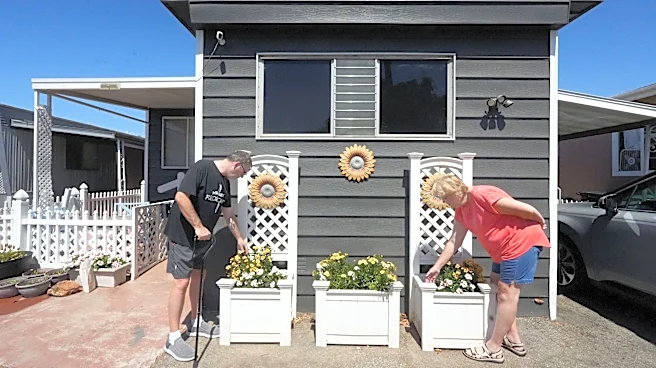
to address California's housing crisis by providing 'attainable housing' in the high $700,000 range. However, the plan faces strong opposition from current residents, led by Tedi Jackson, who have formed 'Protect Rural Escondido.' Residents, including David Mackintosh, argue that the development would destroy the rural character of their neighborhood, increase density, and impact their quality of life. The Escondido City Council cleared the way for the county to pursue annexation in 2024, but the Local Agency Formation Commission (LAFCO) still needs to approve the annexation. LAFCO staff has encouraged annexation, citing the land's location within Escondido's 'sphere of influence' and the city's need to permit over 7,000 new homes by 2029 to meet state mandates.
Why It's Important?
This development highlights the ongoing tension between addressing California's severe housing crisis and preserving the character of existing communities. For Escondido, annexing the land would provide sewer services for the project and help the city meet state-mandated housing quotas, which are crucial for avoiding penalties and securing state funding. The developers argue their project offers much-needed 'missing middle' housing, catering to first-time homebuyers. However, the opposition underscores the significant social and environmental impacts of rapid urbanization. Residents fear increased traffic, loss of open space, and a diminished rural lifestyle. This conflict is a microcosm of broader challenges faced by many U.S. cities grappling with housing shortages, where solutions often clash with local residents' desire to maintain their community's unique identity and environmental quality. The outcome will set a precedent for how Escondido balances growth with community concerns and environmental preservation.
What's Next?
The proposed annexation and housing development will proceed through multiple layers of government review. The Local Agency Formation Commission (LAFCO) will play a crucial role in deciding whether to approve the annexation, with staff indicating a preference for it. However, some neighbors, like David Mackintosh, have not consented to the annexation, which is a necessary step for forming a contiguous boundary. Community meetings between developers and residents are expected to continue, likely remaining contentious. Tedi Jackson, a leader of the opposition, is exploring fundraising for legal action, indicating a potential for prolonged legal battles. San Diego County Supervisor Joel Anderson, who represents the area, has met with residents but is legally prohibited from pre-judging or taking a position on the land use project before it comes before the Board of Supervisors. The developers also own additional land in the area, suggesting that this project could be part of a larger development trend.
Beyond the Headlines
This situation delves into the complex interplay of property rights, local governance, and the broader societal need for affordable housing. The concept of a city's 'sphere of influence' and the process of annexation raise questions about how municipal boundaries are determined and how they impact residents in unincorporated areas. The debate also highlights the emotional and personal connection residents have to their homes and communities, often clashing with the impersonal forces of urban planning and economic development. The developers' argument for 'attainable housing' versus residents' concerns about preserving a 'rural way of life' reflects a fundamental philosophical divide in how growth and progress are defined. This case could influence future land use policies in California, potentially leading to new regulations or community engagement strategies aimed at mediating such conflicts. It also underscores the power dynamics between developers, local government, and organized citizen groups in shaping the future landscape of American communities.