

What's Happening?
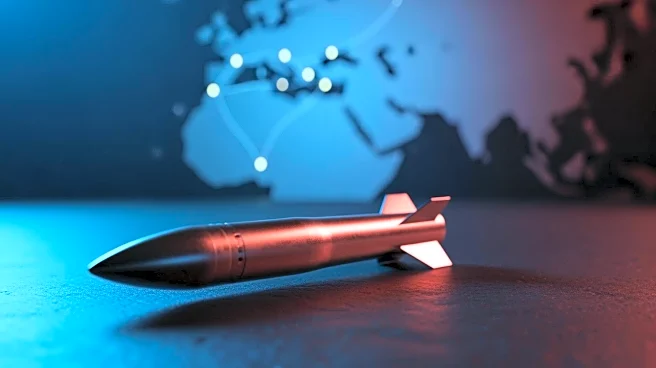
The ongoing military campaign by the United States and Israel against Iran is primarily focused on dismantling Tehran's ballistic missile capabilities, rather than its nuclear program. According to recent reports, the operation aims to significantly damage
Iran's missile apparatus to prevent it from being rebuilt quickly. This strategic focus comes after the Islamic Republic's nuclear weapons program was severely impacted by bombings in June 2025, which set back its progress by at least two years. Despite this, Iran has managed to increase its missile count from 1,300 to 2,500, posing a potential threat to Israel's air defense systems. The operation seeks to ensure that Iran's missile production capabilities are crippled for years, deterring any future attempts to rebuild them.
Why It's Important?
The emphasis on Iran's ballistic missile program highlights the strategic priorities of the US and Israel in the region. Ballistic missiles represent a direct threat to regional stability and security, particularly for Israel, which could be overwhelmed by a large volume of missiles. The operation's success in degrading Iran's missile capabilities could shift the balance of power in the Middle East, reducing the threat posed by Iran to its neighbors and potentially altering the geopolitical landscape. Additionally, the focus on missiles rather than nuclear weapons suggests a recalibration of threat assessment, acknowledging the immediate risks posed by missile technology.
What's Next?
The operation is expected to continue with efforts to destroy Iran's missile production facilities and supply lines. This may involve further military actions and intelligence operations to ensure the long-term degradation of Iran's missile capabilities. The US and Israel may also engage in diplomatic efforts to consolidate regional support and address any potential backlash from Iran or its allies. The outcome of this campaign could influence future US-Israel military strategies and their approach to handling threats in the Middle East.
Beyond the Headlines
The focus on ballistic missiles rather than nuclear weapons reflects a nuanced understanding of Iran's military capabilities and strategic intentions. This shift may influence international perceptions of Iran's threat level and impact ongoing diplomatic negotiations regarding Iran's military activities. The operation also raises ethical questions about the use of military force to achieve strategic objectives and the potential consequences for civilian populations in the region.