





What's Happening?
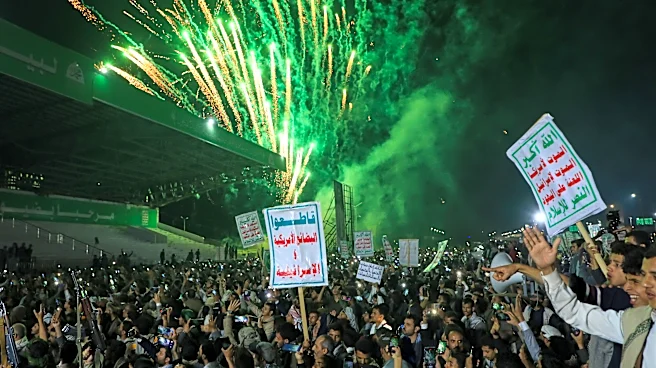
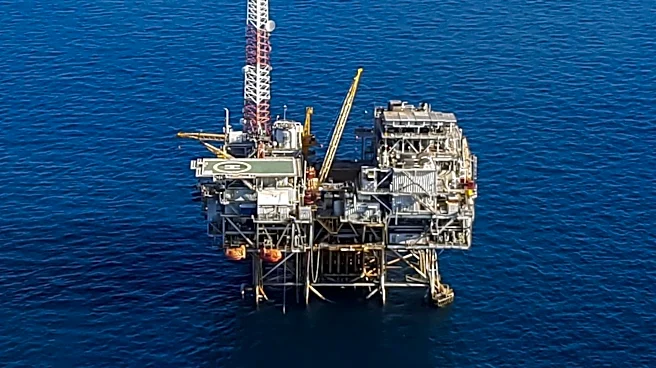
The ongoing conflict in Iran has entered a more dangerous phase, posing significant threats to the global oil market. The war has already caused crude prices to rise, with oil recently surpassing $100 per barrel. The conflict has disrupted key oil transit
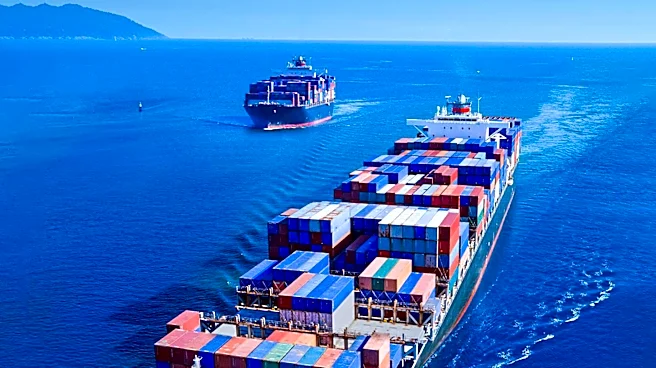
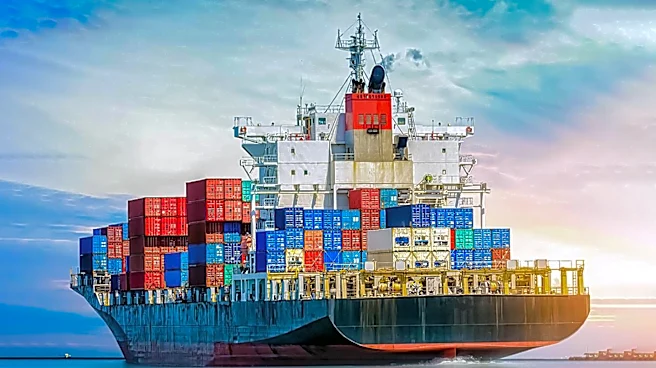
routes, including the Strait of Hormuz and the Bab-al-Mandeb strait, leading to supply constraints. Insurance issues and geopolitical tensions further complicate the situation, with potential impacts on global energy security. The U.S. Strategic Petroleum Reserve is at its lowest level since 1983, adding to concerns about energy supply and economic stability.
Why It's Important?
The escalation of the Iran conflict has far-reaching implications for global energy markets and economic stability. Rising oil prices can lead to increased costs for consumers and businesses, exacerbating inflationary pressures. The disruption of key oil transit routes highlights the vulnerability of global supply chains and the potential for geopolitical events to impact energy security. The situation underscores the importance of strategic reserves and international cooperation in managing energy crises. The potential for further escalation could have significant economic and political consequences, affecting markets and policy decisions worldwide.
What's Next?
The future of the global oil market will depend on the resolution of the Iran conflict and the ability of stakeholders to manage supply disruptions. Potential responses could include diplomatic efforts to de-escalate tensions, increased production from other regions, or strategic releases from reserves. The situation remains fluid, and ongoing monitoring of geopolitical developments will be crucial for anticipating future trends. Policymakers and industry leaders will need to collaborate to ensure energy security and mitigate the economic impacts of rising oil prices.