







What's Happening?
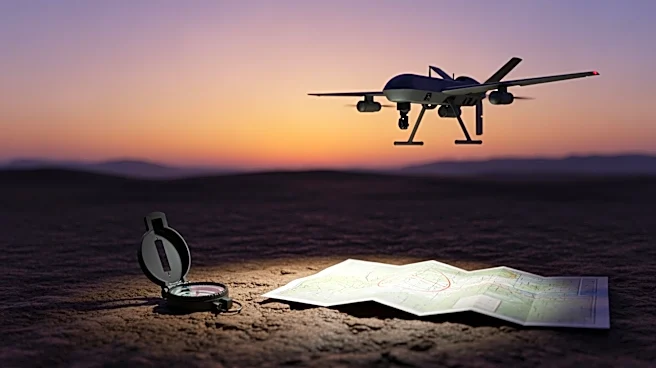
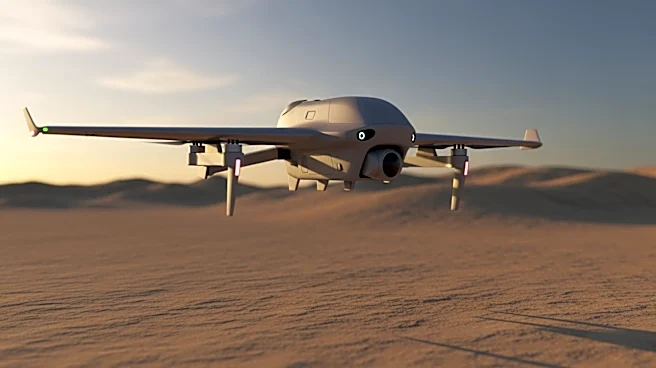
The United States has introduced a new combat strategy by deploying low-cost drones, specifically the Low-Cost Uncrewed Combat Attack System (LUCAS), in its military operations against Iran. This marks a significant shift in U.S. military tactics, traditionally
reliant on high-cost precision missiles like the Tomahawk. The LUCAS drones, priced at $35,000 each, have been described as 'indispensable' by Admiral Brad Cooper, head of U.S. forces in the Middle East. This approach mirrors tactics observed in the Ukraine conflict, where inexpensive drones have been used effectively against more costly air defense systems. The U.S. aims to use these drones to overwhelm enemy defenses, reserving high-end missiles for more fortified targets.
Why It's Important?
The adoption of low-cost drones by the U.S. military represents a strategic evolution in modern warfare, emphasizing cost-effectiveness and adaptability. This shift could influence global military strategies, as nations observe the U.S. leveraging affordable technology to maintain military superiority. The use of such drones allows the U.S. to conserve expensive missile stockpiles while still achieving tactical objectives. This development could also impact defense budgets and procurement strategies, as military forces worldwide reassess the balance between high-cost precision weapons and more economical alternatives. The U.S.'s ability to integrate these drones into its arsenal without compromising on effectiveness highlights its technological and strategic flexibility.
What's Next?
The continued use of low-cost drones by the U.S. may lead to further innovations in drone technology and tactics. As the U.S. refines its approach, other nations might adopt similar strategies, potentially leading to an arms race in drone warfare capabilities. The U.S. military will likely continue to evaluate the effectiveness of these drones in various combat scenarios, potentially expanding their use in other regions. Additionally, this strategy may prompt adversaries to develop countermeasures, such as improved electronic warfare capabilities to disrupt drone operations. The evolving dynamics of drone warfare could also influence international arms control discussions and agreements.
Beyond the Headlines
The integration of low-cost drones into U.S. military operations raises ethical and legal questions about the conduct of warfare. The use of drones, particularly in populated areas, can lead to collateral damage and civilian casualties, prompting debates about the rules of engagement and accountability. Furthermore, the proliferation of drone technology could lead to its misuse by non-state actors or rogue states, posing new security challenges. The U.S. must navigate these complexities while ensuring compliance with international law and maintaining its strategic objectives. The broader implications of this shift in military tactics could reshape the future of warfare and international security policies.