

What's Happening?
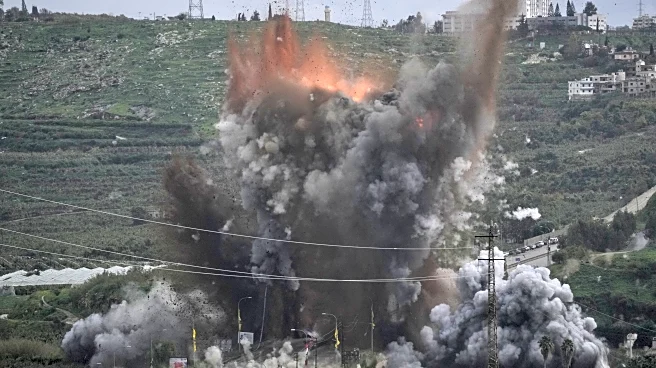
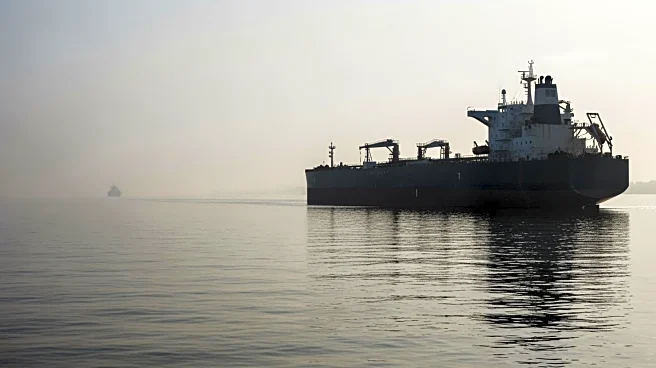
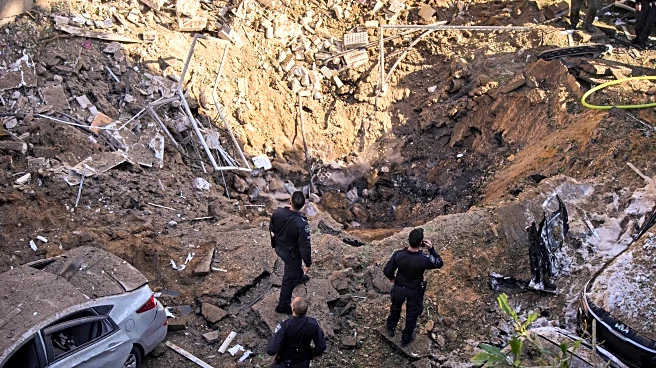
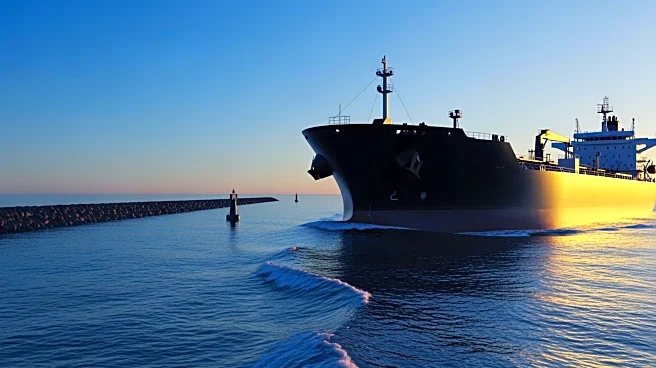
Asian countries are increasingly turning to coal as the ongoing conflict involving Iran disrupts global oil and gas shipments, particularly affecting liquefied natural gas (LNG) supplies. The Strait of Hormuz, a critical chokepoint for global oil and gas trade,
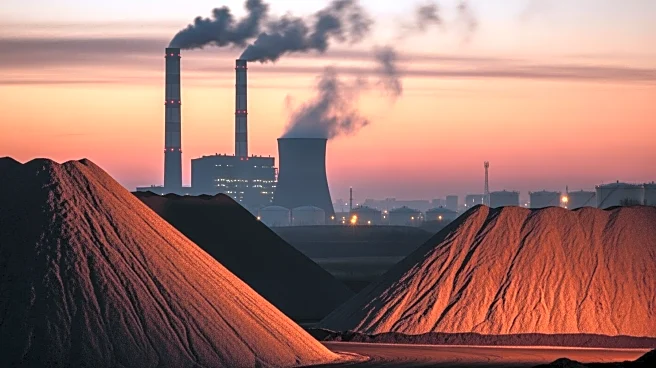
has seen disruptions, prompting nations like China, India, and South Korea to boost coal consumption to meet energy demands. Indonesia, the world's largest coal exporter, is prioritizing domestic use over exports, further tightening regional supplies and driving up global coal prices. This shift back to coal is seen as a short-term solution to energy shortages but poses risks to long-term environmental goals and energy security.
Why It's Important?
The increased reliance on coal in Asia highlights the vulnerability of energy markets to geopolitical tensions and the challenges of transitioning to cleaner energy sources. This shift could slow efforts to phase out coal-fired power, impacting global climate change initiatives. The rise in coal prices affects Southeast Asia, a major coal-consuming region, and could lead to higher energy costs and increased emissions. The situation underscores the need for diversified energy strategies and the potential consequences of over-reliance on a single energy source, such as LNG, which is currently in short supply due to the conflict.
What's Next?
Countries in Asia may continue to rely on coal in the short term, but this could undermine long-term commitments to reduce carbon emissions and transition to renewable energy. The situation may prompt governments to reassess their energy policies and explore alternative sources to enhance energy security. Additionally, the ongoing conflict and its impact on energy supplies could lead to further geopolitical tensions and economic challenges, necessitating international cooperation and strategic planning to mitigate risks.
Beyond the Headlines
The increased coal use in Asia could have broader implications for global climate policies and international relations. It highlights the complex interplay between energy security, economic stability, and environmental sustainability. The situation may also influence global energy markets, affecting prices and availability of resources worldwide. As countries navigate these challenges, the importance of resilient and adaptable energy systems becomes increasingly evident.