




What's Happening?
Older adults are particularly vulnerable during the winter months, facing heightened risks of hypothermia, frostbite, carbon monoxide poisoning, influenza complications, and falls. Delco.Today has issued a guide outlining five key safety areas for seniors
and their caregivers. Hypothermia, which occurs when body temperature drops below 96 degrees, can affect seniors even in moderately cold weather due to their reduced ability to retain heat. Frostbite, damage to skin and tissue from cold exposure, primarily affects extremities. Carbon monoxide poisoning spikes in winter due to increased use of heating appliances. Seniors aged 65 and over are at a significantly higher risk of developing severe complications from influenza, accounting for a large percentage of flu-related hospitalizations and deaths. Falls are also a leading cause of fatal and non-fatal injuries for older adults, with winter conditions like ice and snow exacerbating this risk.
Why It's Important?
The increased vulnerability of seniors during winter has significant implications for public health and community support systems. The higher incidence of hypothermia, frostbite, and carbon monoxide poisoning necessitates greater awareness and preventive measures, particularly for those living alone or with limited resources. The severe impact of influenza on older adults underscores the critical importance of vaccination programs and accessible healthcare services. Furthermore, the prevalence of falls among seniors, exacerbated by icy conditions, highlights the need for community-level interventions such as snow removal assistance and accessible walking paths. These risks collectively place a substantial burden on emergency services, hospitals, and long-term care facilities. Addressing these issues is not only a matter of individual safety but also a societal responsibility to protect a demographic that contributes significantly to communities and often requires specialized care.
What's Next?
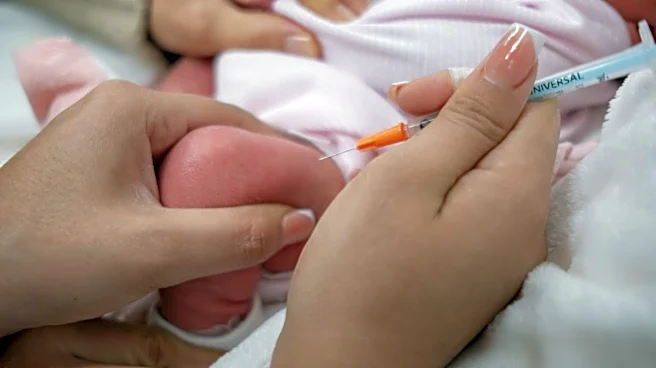
To mitigate these risks, several actions are recommended. For carbon monoxide poisoning, installing and regularly checking battery-operated CO detectors is crucial, along with ensuring proper maintenance of heating systems and safe generator use. To prevent hypothermia and frostbite, seniors are advised to dress in layers, keep indoor temperatures at least 68-70 degrees, limit outdoor exposure, and protect extremities. Regular medical check-ups are important to assess medication interactions that might increase cold-related risks. For influenza, the CDC recommends that individuals 65 and older receive a flu shot, with specific high-dose or adjuvanted vaccines available. To prevent falls, seniors should wear appropriate footwear, adapt their walking style on slippery surfaces, ensure walkways are cleared of snow and ice, and consult their doctor for a personal fall risk assessment. Community organizations and healthcare providers will likely continue to disseminate these safety tips and offer support services to seniors throughout the winter season.
Beyond the Headlines
The challenges faced by seniors in winter extend beyond immediate health risks, touching upon broader societal issues such as social isolation, access to resources, and the design of age-friendly communities. The need for adequate heating and safe housing highlights economic disparities, as some seniors may struggle to afford rising utility costs or live in poorly insulated homes. The emphasis on fall prevention also points to the importance of urban planning and infrastructure that considers the mobility needs of older adults. Moreover, the role of family and community support networks becomes paramount, as regular check-ins and assistance with daily tasks can significantly reduce risks. This situation underscores the ongoing need for comprehensive elder care policies, accessible public health campaigns, and community programs that empower seniors to maintain their independence and well-being, even in challenging environmental conditions. It also prompts a reflection on how society values and protects its most vulnerable members.