


What's Happening?
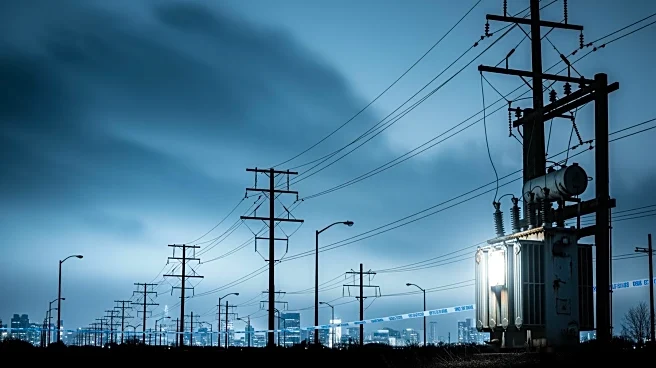
Cuba is in the process of restoring its national electric grid following a complete collapse that left approximately 10 million people without power. This outage, which occurred on Saturday, marks the third such incident in March and the second within
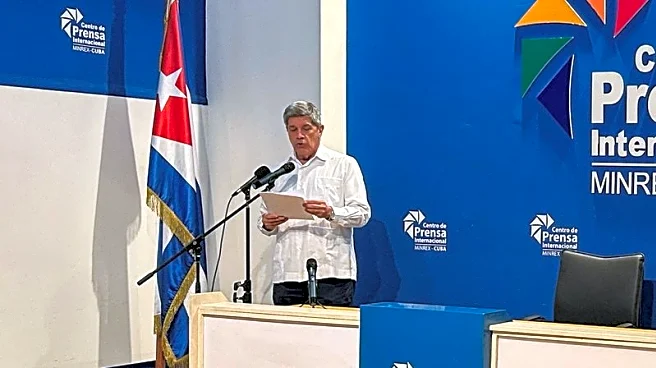
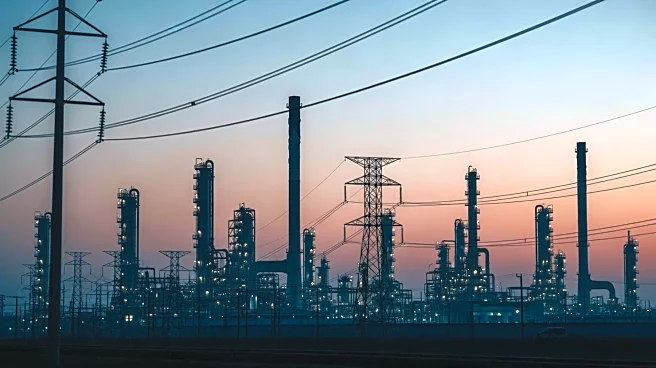
a week. The Cuban Electric Union, under the Ministry of Energy and Mines, attributed the blackout to an unexpected shutdown of a generation unit at the Nuevitas thermoelectric plant in Camaguey province. The Cuban government has pointed to a U.S. energy blockade as a significant factor in the crisis, following President Trump's imposition of tariffs on countries supplying oil to Cuba. The blockade has exacerbated the island's energy issues, already strained by an aging infrastructure and the cessation of oil shipments from Venezuela, a former ally. Restoration efforts began on Sunday, with power returning to 72,000 customers in Havana, including five hospitals.
Why It's Important?
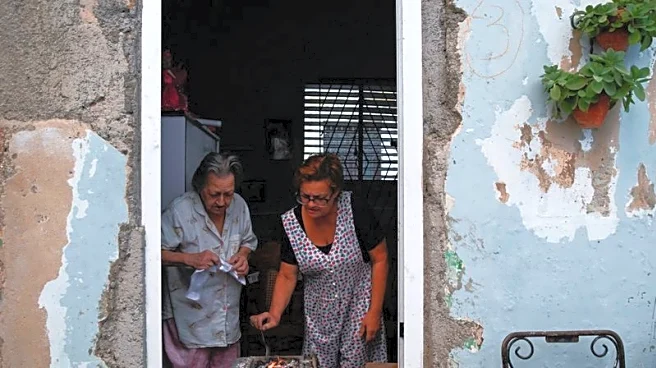
The ongoing energy crisis in Cuba highlights the severe impact of international sanctions and geopolitical tensions on national infrastructure. The U.S. blockade, aimed at pressuring Cuba towards political and economic reforms, has intensified the island's energy shortages, affecting daily life and economic activities. The outages disrupt essential services, reduce work hours, and damage household appliances, significantly affecting the Cuban population's quality of life. The situation underscores the broader implications of international policies on domestic stability and the resilience of national systems under external pressures. The crisis also reflects the vulnerabilities of aging infrastructure in the face of geopolitical conflicts, with potential long-term consequences for Cuba's economic and social landscape.
What's Next?
Cuba's government is likely to continue efforts to stabilize the energy grid, though challenges remain due to limited fuel supplies and ongoing sanctions. The situation may prompt further diplomatic tensions between Cuba and the U.S., especially if the energy crisis persists. The Cuban government might seek alternative energy sources or international support to mitigate the impact of the blockade. Additionally, the crisis could influence internal political dynamics, as public dissatisfaction with the outages grows. The international community may also respond, potentially affecting Cuba's foreign relations and economic partnerships.
Beyond the Headlines
The energy crisis in Cuba raises ethical questions about the use of sanctions as a tool for political change, particularly when they significantly impact civilian populations. The situation also highlights the need for sustainable energy solutions and infrastructure modernization in countries vulnerable to geopolitical pressures. Long-term, Cuba may need to explore renewable energy options to reduce dependency on foreign oil and enhance energy security. The crisis could also lead to cultural shifts, as Cubans adapt to frequent power outages and the associated lifestyle changes.