


What's Happening?
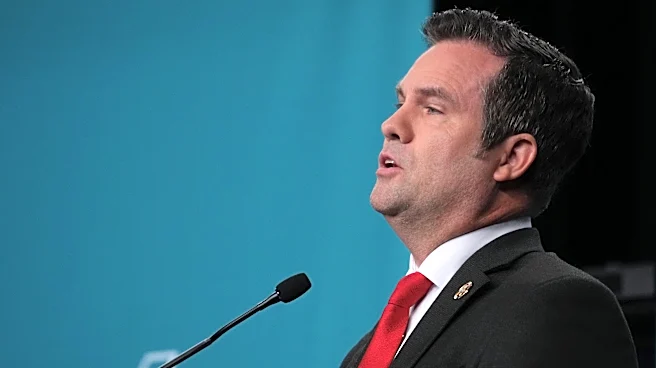
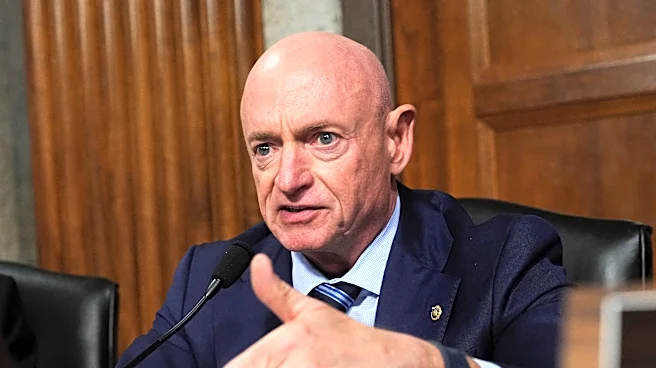
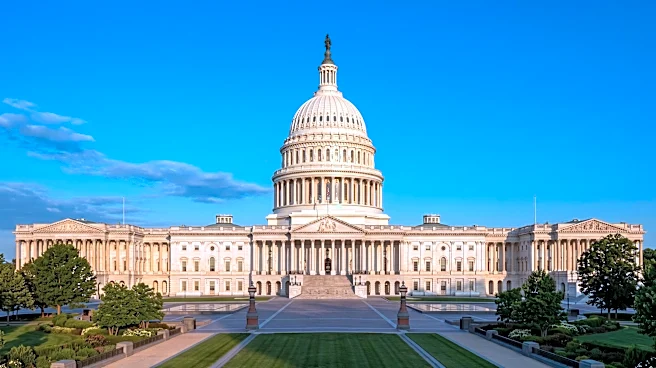
Representatives Juan Ciscomani (R-AZ) and Dina Titus (D-NV) have introduced a bipartisan resolution, H.Res. 1585, to recognize the significance of U.S. public lands ahead of National Public Lands Day. The resolution encourages Americans to visit, celebrate,
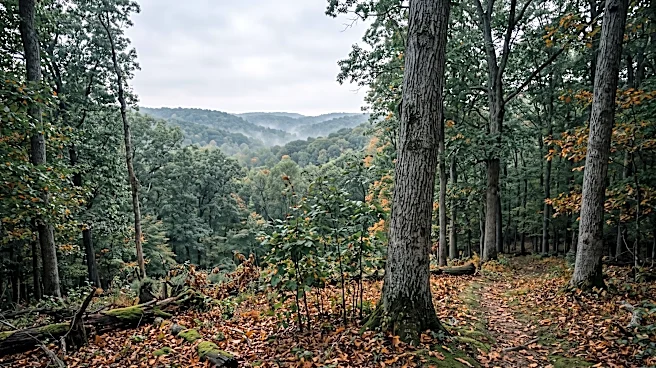
and champion these natural resources, highlighting their recreational and economic value. National Public Lands Day is observed annually on the fourth Saturday of September, falling on September 26th this year. The initiative has garnered support from various conservation groups, including the Conservation Lands Foundation, NRDC, HECHO, and Trout Unlimited. Representative Ciscomani emphasized the importance of public lands to Arizona's communities and heritage, citing examples like Saguaro National Park and Chiricahua National Monument. Congresswoman Titus underscored that public lands are a central part of the national heritage, serving as common ground for Americans, supporting rural and national economies, and holding cultural and historical significance for tribes. The resolution aims to promote the protection, accessibility, and health of these lands for future generations.
Why It's Important?
This bipartisan resolution underscores a shared commitment across the political spectrum to the preservation and appreciation of America's public lands. It highlights the multifaceted value of these lands, which extends beyond environmental conservation to include significant economic and cultural benefits. Economically, public lands support tourism, recreation, and related industries, contributing to both national and rural economies. Culturally, they represent historical sites and ancestral lands for various communities, including indigenous tribes, fostering a sense of national heritage and identity. The bipartisan nature of this resolution is particularly important in a politically divided climate, demonstrating that issues related to natural resource protection can still unite lawmakers. By encouraging public engagement through National Public Lands Day, the resolution aims to foster a greater sense of stewardship among citizens, which is crucial for the long-term sustainability and protection of these vital resources. The support from diverse conservation groups further emphasizes the broad societal importance of this initiative.
What's Next?
The resolution, H.Res. 1585, will proceed through the legislative process in the U.S. House of Representatives. While resolutions typically express the sentiment of Congress rather than enacting new laws, its introduction serves to raise awareness and build momentum for public lands initiatives. The upcoming National Public Lands Day on September 26th will likely see increased public engagement and events across the country, aligning with the resolution's call for Americans to visit and celebrate these areas. This could lead to greater volunteer participation in conservation efforts and increased public discourse on the importance of land preservation. Furthermore, the bipartisan support for this resolution may encourage future legislative actions aimed at strengthening protections for public lands, potentially influencing funding allocations for national parks and conservation programs. The continued advocacy from Representatives Ciscomani and Titus, along with supporting organizations, suggests ongoing efforts to champion public lands issues in Congress.
Beyond the Headlines
The introduction of this bipartisan resolution reflects a deeper societal recognition of the intrinsic value of natural landscapes and their role in national identity. Beyond their ecological importance, public lands serve as critical spaces for mental and physical well-being, offering opportunities for recreation, reflection, and connection with nature. The emphasis on their cultural and historical significance, particularly for tribal communities, highlights a growing understanding of the diverse heritage embedded within these lands. This initiative also subtly addresses the broader challenge of balancing conservation with economic development, advocating for a model where natural resources are both protected and utilized sustainably. The bipartisan collaboration on this issue could set a precedent for addressing other complex environmental challenges, demonstrating that common ground can be found when issues are framed around shared national values and long-term benefits. It reinforces the idea that public lands are a collective inheritance, requiring collective responsibility for their preservation.