





What's Happening?
The U.S. military is considering requiring some troops in the Middle East to surrender their cell phones due to security concerns. Admiral Brad Cooper, the top U.S. commander for the region, warned that cellphone videos shared online could help Iran target
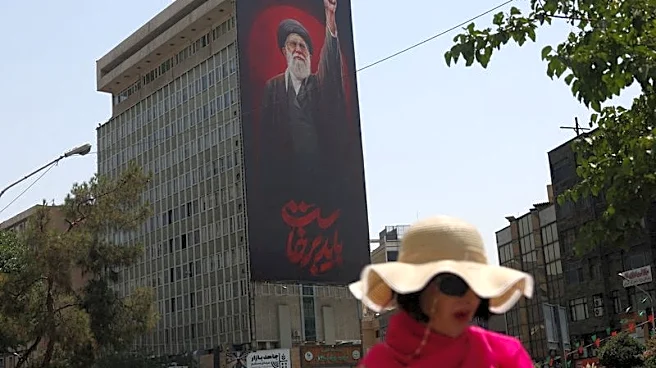
American bases. The potential crackdown on mobile communications aims to enhance operational security and protect service members. This move comes amid ongoing tensions with Iran, which has been targeting U.S. bases in the region. The military is concerned that real-time news reporting and social media posts could aid Iran in assessing the success of its attacks.
Why It's Important?
The proposed cell phone restrictions highlight the challenges of balancing operational security with the personal needs of deployed troops. Many service members rely on their phones to communicate with loved ones, and the potential confiscation of devices could impact morale. The situation underscores the complexities of modern warfare, where information and technology play critical roles. The decision could set a precedent for how the military manages communication and security in conflict zones, influencing future policies and protocols.
What's Next?
If implemented, the cell phone restrictions could lead to changes in how troops communicate and share information while deployed. The military may need to develop alternative communication methods to ensure service members can stay connected with their families. The decision could also prompt discussions about the role of technology in military operations and the need for updated security measures. The outcome of this situation may influence future military strategies and policies regarding information security.