








What's Happening?
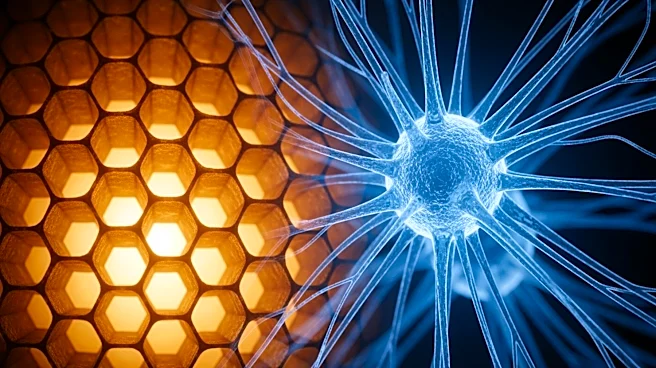
Recent scientific research is exploring the possibility of consciousness in both bees and artificial intelligence systems like ChatGPT. Two new papers propose theories for testing consciousness, suggesting a middle ground between sensationalism and skepticism.
The research highlights the ethical implications of expanding the definition of consciousness to include non-human entities. The debate is fueled by the rise of large language models and the New York Declaration on Animal Consciousness, which suggests consciousness is possible in various animal species.
Why It's Important?
The exploration of consciousness in AI and animals has significant ethical and philosophical implications. If AI systems or animals are deemed conscious, it could lead to changes in how they are treated and considered in society. The research challenges traditional views of consciousness and prompts discussions about the moral responsibilities humans have towards other beings. The findings could influence future AI development and animal welfare policies.
Beyond the Headlines
The debate over consciousness extends beyond scientific inquiry, touching on legal and cultural dimensions. Recognizing consciousness in AI or animals could lead to shifts in legal frameworks and societal norms. The precautionary principle for sentience suggests erring on the side of caution, which could impact how technology and animal rights are approached in the future.