




What's Happening?
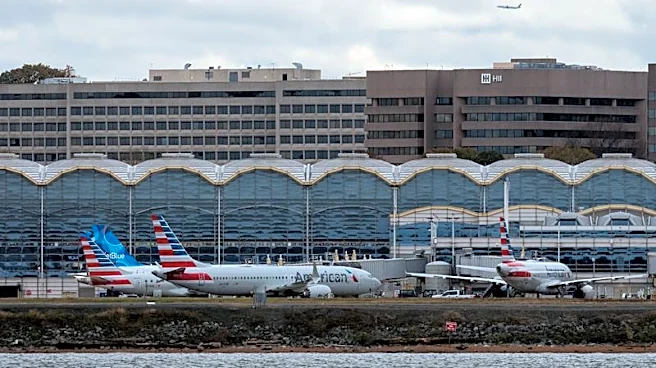
On November 17, President Donald Trump’s administration formally requested $50.1 billion from Congress to modernize U.S. air traffic control systems and airport infrastructure. This request follows a nationwide technical failure on November 13 that halted
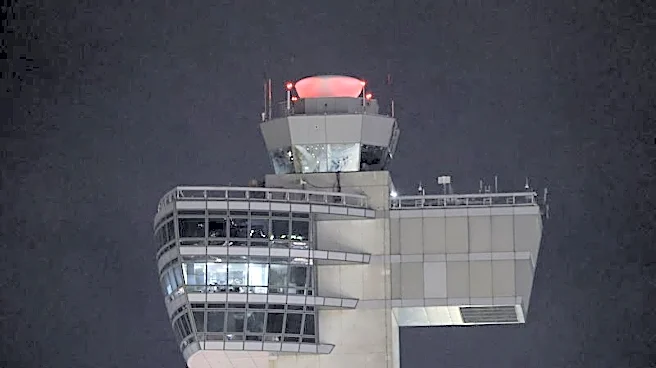
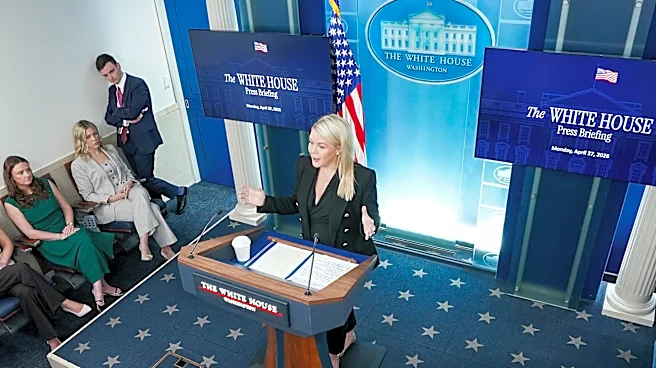
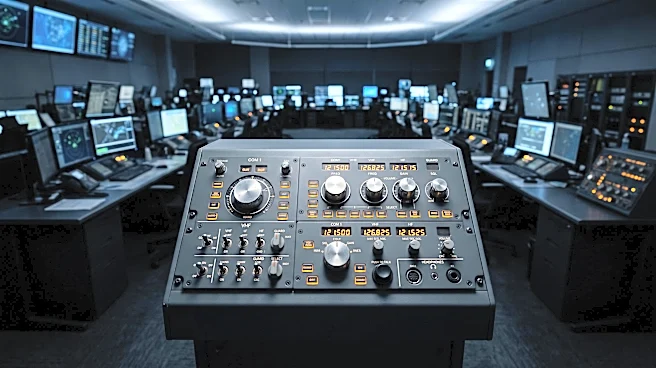
air travel for four hours, leading to thousands of flight cancellations. Transportation Secretary Sean Duffy, Federal Aviation Administrator Bryan Bedford, and White House budget director Russ Vought detailed the proposed spending in a letter to lawmakers. The plan allocates $10.1 billion for air traffic control technology upgrades, including communications networks, and $10 billion each for airport infrastructure improvements and terminal modernization. An additional $10 billion is earmarked for five new regional air traffic control centers to replace existing ones, and the final $10 billion would fund the construction or upgrade of up to 140 control towers. The administration emphasized that 'outdated, legacy equipment' caused the disruption, highlighting the urgent need for investment.
Why It's Important?
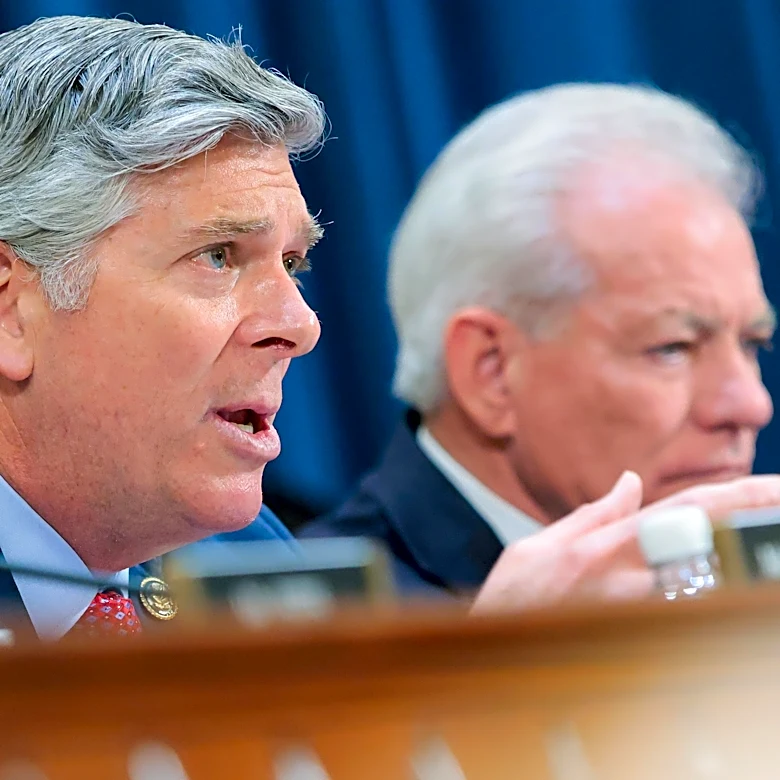
This request is critical for the future of U.S. air travel and national infrastructure. The recent nationwide grounding exposed significant vulnerabilities in the current aviation system, underscoring the potential for widespread economic disruption and public inconvenience. Modernizing air traffic control and airport infrastructure is essential for ensuring safety, efficiency, and the continued growth of the aviation industry. The proposed investment aims to prevent future system failures, reduce delays, and enhance the overall passenger experience. However, the demand for such a substantial sum has drawn criticism from Democrats, including Rosa DeLauro and James Clyburn, who argue that billions in previously approved aviation modernization funding remain unspent. This dispute highlights a broader political battle over federal spending priorities and accountability in infrastructure projects, with potential implications for the Department of Transportation's leadership and future funding allocations.
What's Next?
The $50.1 billion funding request will now undergo scrutiny in Congress, where it is expected to face significant debate, particularly from Democrats. Lawmakers like Rosa DeLauro and James Clyburn have already voiced concerns about the management of existing funds and the lack of a detailed plan for the new investment. The administration will need to provide more comprehensive justifications and a clear roadmap for how the funds will be utilized to address these criticisms. The outcome of this legislative process will determine the scope and timeline of the aviation overhaul. If approved, the funding would initiate a multi-year modernization effort across the country. If rejected or significantly altered, the U.S. aviation system could remain vulnerable to further disruptions, potentially leading to continued calls for leadership changes within the Department of Transportation.
Beyond the Headlines
Beyond the immediate need for infrastructure upgrades, this situation highlights the broader challenge of maintaining critical national systems in an era of rapid technological advancement and increasing demands. The reliance on 'outdated, legacy equipment' in a sector as vital as air travel points to systemic issues in long-term infrastructure planning and investment. The political contention over unspent funds also raises questions about bureaucratic inefficiencies and the ability of government agencies to effectively deploy allocated resources. This debate could serve as a catalyst for re-evaluating how federal funds are managed for large-scale infrastructure projects, potentially leading to reforms in oversight and accountability mechanisms. Ultimately, the resolution of this funding request will not only impact the aviation industry but also set precedents for future national infrastructure initiatives.