





What's Happening?
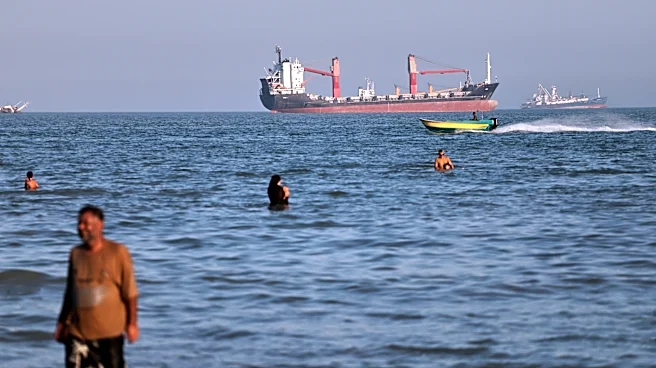
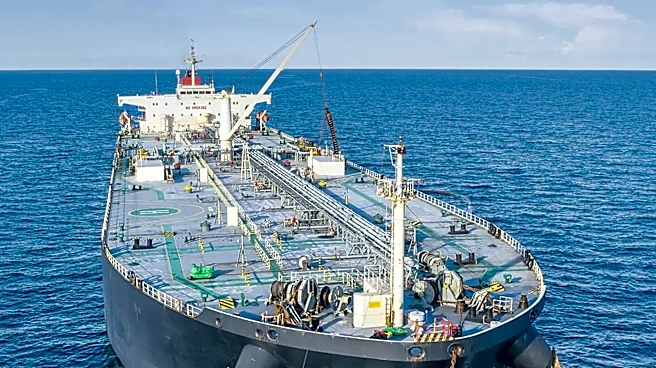
The prolonged closure of the Strait of Hormuz has exposed significant vulnerabilities in the global supply chain for jet fuel, crucial for over 100,000 flights daily. The crisis has particularly affected regions like Europe, which relies heavily on imports
for its jet fuel needs. The disruption has highlighted the geographical imbalance in supply and demand, with the Middle East producing more than it consumes, while Europe and other regions face shortages. The situation has prompted countries to reassess their reliance on imports and consider alternative supply routes. Despite the resumption of crude oil and petroleum product flows from the Persian Gulf, the full restoration of shipping through Hormuz remains uncertain, posing ongoing risks.
Why It's Important?
The crisis underscores the fragility of global supply chains, particularly for essential commodities like jet fuel. For the U.S., which produces enough to meet its needs, the impact is less severe. However, for Europe and other regions dependent on imports, the disruption poses a significant challenge. The situation has forced countries to consider strategic reserves and alternative supply routes to mitigate future risks. The crisis also highlights the strategic importance of the Strait of Hormuz, through which a significant portion of the world's crude and liquefied natural gas flows. The ongoing instability in the region could have long-term implications for global energy markets and international relations.
What's Next?
Countries heavily reliant on imports may need to diversify their supply sources and increase strategic reserves to buffer against future disruptions. The crisis may also accelerate efforts to develop alternative supply routes that bypass the Strait of Hormuz. Additionally, the situation could prompt a reevaluation of energy policies and investments in domestic production capabilities. The global aviation industry may face higher operational costs due to elevated fuel prices, potentially impacting air travel demand and airline profitability. Stakeholders, including governments and industry players, will need to collaborate to enhance supply chain resilience and ensure stable fuel supplies.