




What's Happening?
The Bureau of Reclamation has introduced a new 10-year framework to manage water usage from the Colorado River, potentially mandating significant reductions for lower basin states such as Arizona, California, and Nevada. This plan does not impose cuts
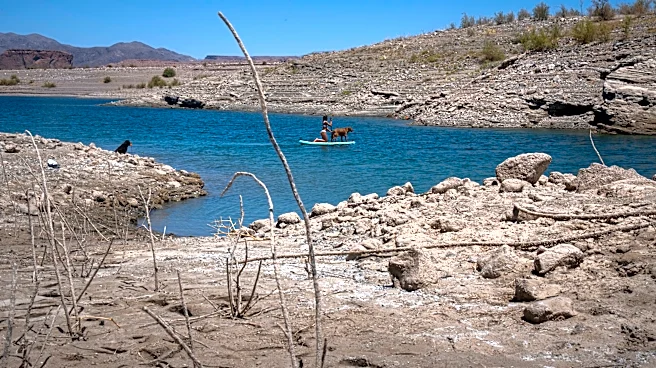
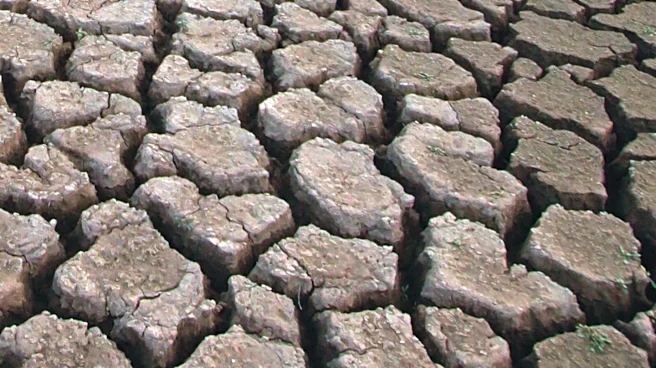
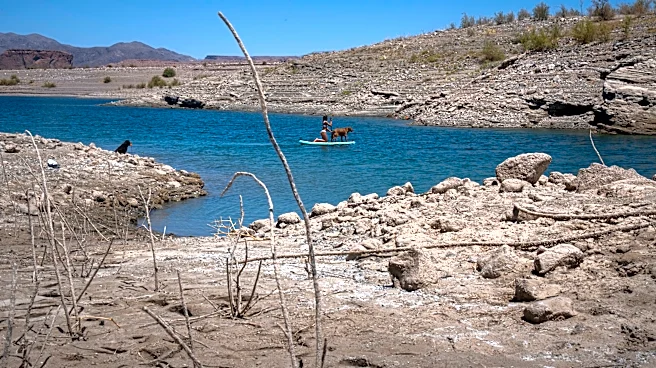
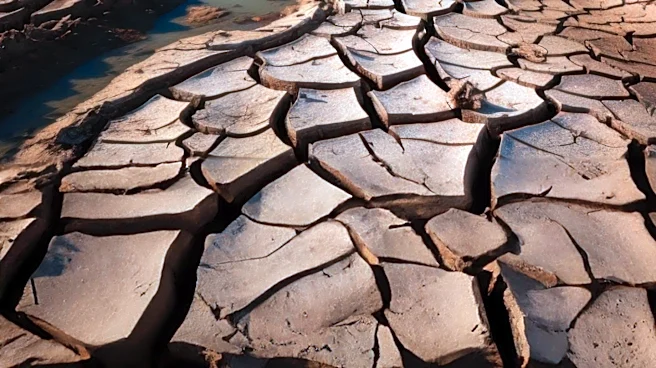
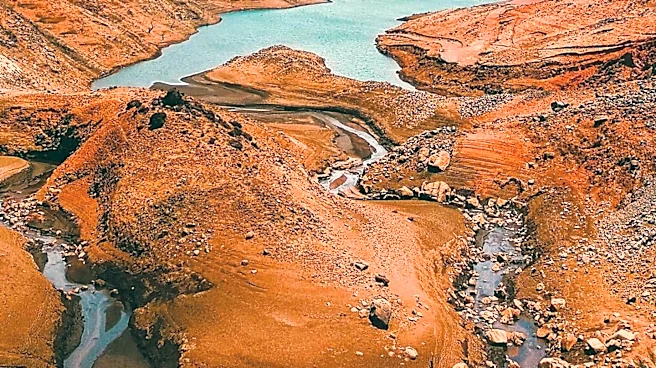
on the upper basin states, including Colorado, New Mexico, Utah, and Wyoming. The proposal comes as the river's water levels are at historic lows due to prolonged drought and increased consumption. The plan aims to address the imbalance in water usage between the upper and lower basins, with the lower basin states having consumed a larger share of the river's resources in recent years.
Why It's Important?
The Colorado River is a critical water source for millions of people and vast agricultural lands. The proposed cutbacks could have far-reaching implications for urban development, agriculture, and water availability in the lower basin states. Arizona, in particular, faces significant challenges due to its rapid population growth and reliance on the river. The plan highlights the need for a sustainable and equitable water management strategy to ensure the long-term viability of the river system, which is essential for the economic and environmental health of the region.
What's Next?
The proposed framework is likely to face opposition and legal challenges, especially from states like Arizona that are expected to bear the brunt of the water reductions. Ongoing negotiations among the seven states involved will be crucial in reaching a consensus that balances the needs of all stakeholders. The federal government will continue to monitor the situation and may adjust the plan based on changing hydrologic conditions and stakeholder feedback.