








What's Happening?
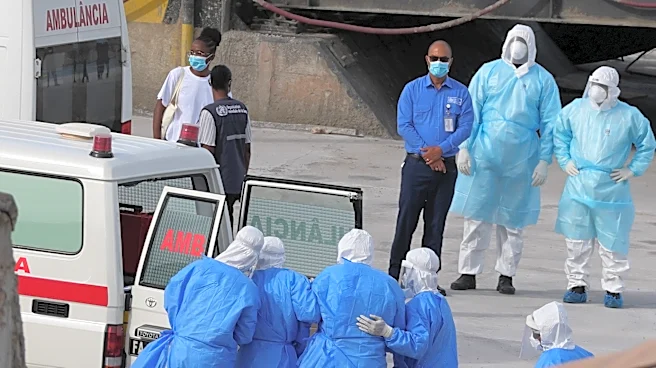
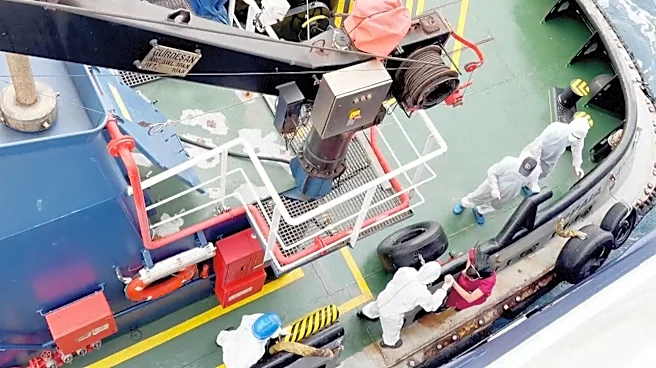
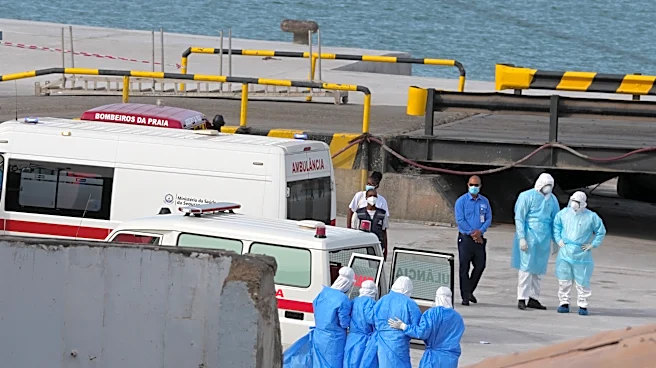
The World Health Organization has reported a hantavirus outbreak on a Dutch cruise ship anchored off the coast of Cabo Verde, with seven cases identified, including three fatalities. The outbreak involves two confirmed and five suspected cases, with symptoms
ranging from mild illness to severe pneumonia and acute respiratory distress syndrome. The ship, which departed from Argentina, made several stops before reaching Cabo Verde. The Andes strain of hantavirus, known for human-to-human transmission, is suspected. Medical teams in Cabo Verde are evaluating patients and collecting specimens for further testing.
Why It's Important?
The outbreak highlights the challenges of managing infectious diseases in global travel contexts, where passengers from multiple countries are involved. The situation underscores the importance of robust health protocols and international coordination in preventing the spread of infectious diseases. The potential for human-to-human transmission raises concerns about the virus's spread beyond the ship, necessitating vigilant monitoring and response measures. The incident serves as a reminder of the ongoing risks associated with global mobility and the need for preparedness in handling health crises.
What's Next?
Health authorities will continue to monitor the situation closely, with further testing and evaluation of suspected cases. The incident may prompt a review of health protocols on cruise ships and other travel settings to prevent similar outbreaks in the future. International health agencies may collaborate to enhance surveillance and response strategies for hantavirus and other infectious diseases. The situation may also lead to increased public awareness and caution regarding travel-related health risks.