






What's Happening?
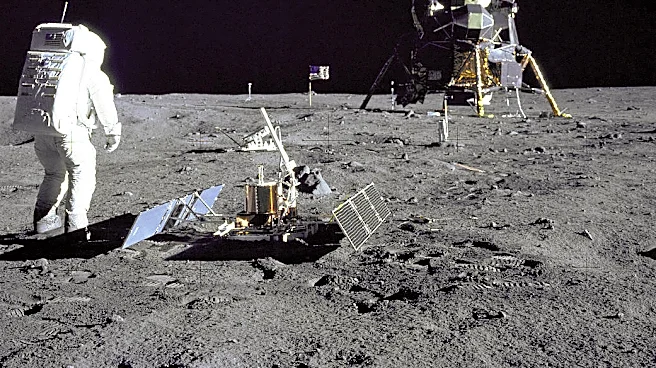
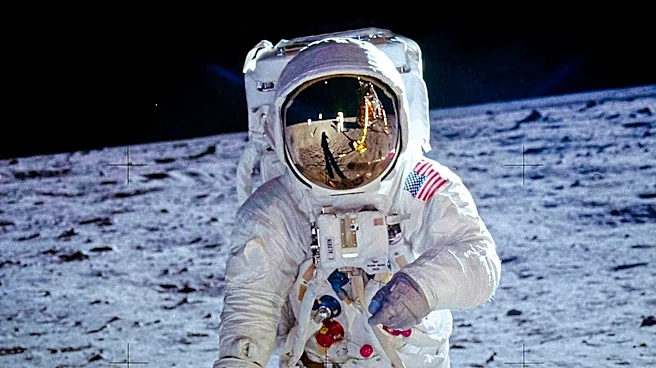
International Moon Day is celebrated annually on July 20 to commemorate the Apollo 11 mission, which marked the first time humans landed on the Moon. The United Nations officially recognized this observance in 2021 to honor international cooperation in space
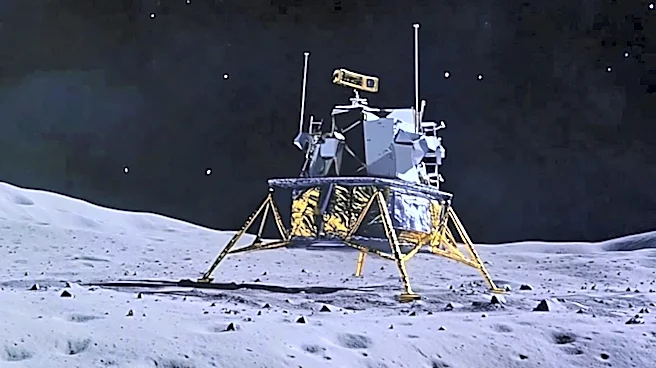
exploration. The Apollo 11 mission, launched on July 16, 1969, from Kennedy Space Center, carried astronauts Neil Armstrong, Buzz Aldrin, and Michael Collins. Armstrong and Aldrin descended to the lunar surface aboard the lunar module Eagle, while Collins remained in orbit. Armstrong's first steps on the Moon were broadcast to an estimated 600 million people worldwide, making it one of the most significant events in human history.
Why It's Important?
The Apollo 11 mission represents a monumental achievement in human exploration and technological advancement. It demonstrated the potential for international collaboration in space exploration and inspired generations to pursue scientific and technological endeavors. The mission's success laid the groundwork for future space exploration initiatives, including NASA's Artemis Program, which aims to return humans to the Moon and establish a sustainable presence. Celebrating International Moon Day serves as a reminder of humanity's capacity for innovation and the importance of continued exploration of our solar system.
What's Next?
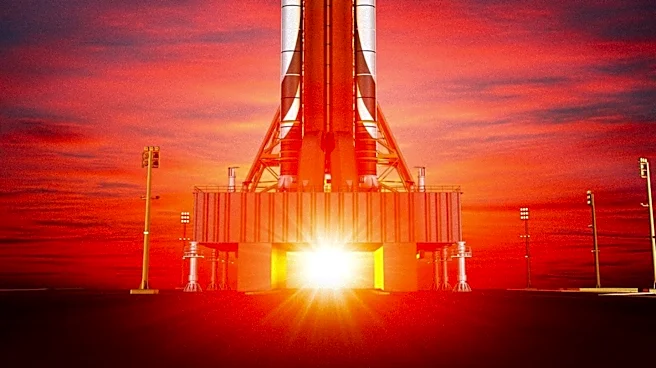
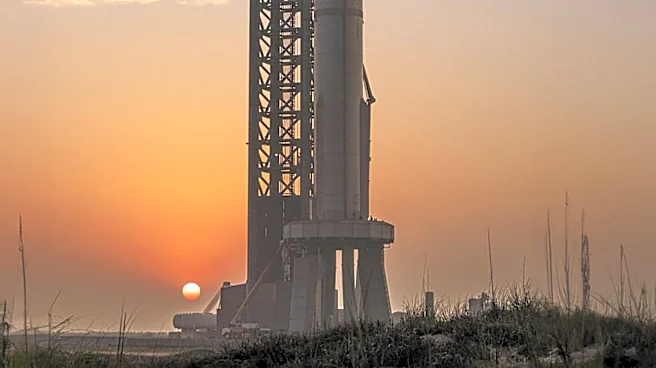
NASA's Artemis Program is set to continue the legacy of Apollo 11 by returning astronauts to the lunar surface and establishing a long-term human presence. This initiative aims to explore new regions of the Moon, conduct scientific research, and prepare for future missions to Mars. As technology advances, the potential for international partnerships in space exploration grows, offering opportunities for collaborative efforts to address global challenges and expand our understanding of the universe.