




What's Happening?
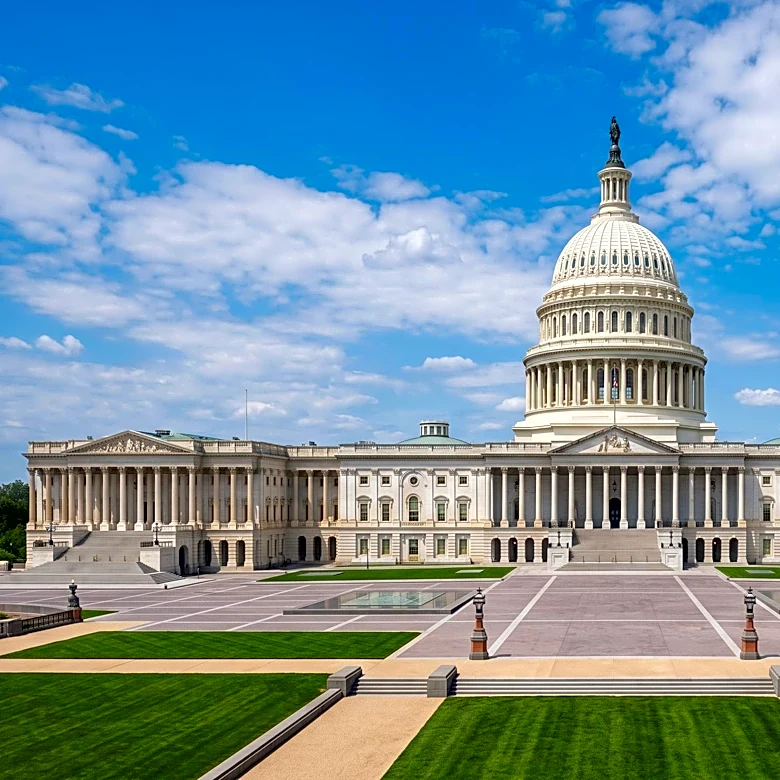
Bipartisan legislation, the Doug LaMalfa Federal Disaster Tax Relief Certainty Act, co-sponsored by U.S. Senators Adam Schiff (D-Calif.) and Rick Scott (R-Fla.), has been signed into law by President Trump. This bill aims to provide tax relief to victims
of wildfires and other natural disasters, ensuring they have immediate access to such relief for years to come. The legislation also extends the period during which victims can receive tax-deductible payments from wildfire settlements, often occurring many years post-disaster, until January 1, 2027. The bill was renamed last year to honor Congressman Doug LaMalfa, who passed away in January 2026. Senator Schiff emphasized the critical need to support families facing enormous financial burdens after natural disasters, while Senator Scott highlighted the importance of allowing impacted Americans to focus on rebuilding their lives rather than unexpected tax changes. U.S. Representative Greg Steube (R-Fla.-17) led the legislation in the House, alongside Representatives Mike Thompson (D-Calif.-04) and Jimmy Panetta (D-Calif.-19).
Why It's Important?
This new law is significant for its direct impact on individuals and communities across the U.S. affected by natural disasters. By providing immediate and extended tax relief, it alleviates a substantial financial burden, allowing victims to allocate resources towards recovery and rebuilding efforts. This bipartisan effort underscores a shared understanding of the challenges faced by disaster-stricken populations, transcending political divides to address a common humanitarian and economic need. The extension for tax-deductible wildfire settlements is particularly crucial, as these legal processes can be protracted, ensuring that victims receive the full benefit of their settlements without additional tax liabilities years after the event. The legislation also sets a precedent for future disaster response, emphasizing proactive financial support as a key component of recovery strategies. This measure can help stabilize local economies in affected regions by preventing further financial strain on residents and businesses, contributing to a more resilient national infrastructure against increasing natural disaster occurrences.
What's Next?
With the bill now signed into law, the immediate next steps involve its implementation by relevant federal agencies, primarily the Internal Revenue Service (IRS). This will include updating tax codes and guidelines to reflect the new provisions, ensuring that victims of natural disasters can access the promised tax relief. Public awareness campaigns may be launched by government bodies and non-profit organizations to inform affected individuals about their eligibility and how to claim these benefits. Lawmakers and advocacy groups will likely monitor the effectiveness of the new law, assessing its impact on recovery efforts and identifying any potential areas for improvement or further legislative action. Additionally, the bipartisan nature of this bill could encourage future collaborations on similar issues, potentially leading to more comprehensive disaster preparedness and response policies. The extended deadline for wildfire settlement deductions means that victims will have several years to utilize this provision, requiring ongoing communication and support from federal and state entities.
Beyond the Headlines
Beyond its immediate financial relief, this legislation carries deeper implications for how the U.S. addresses the growing frequency and intensity of natural disasters. It highlights a shift towards recognizing the long-term financial and emotional toll these events take on individuals and communities, moving beyond immediate emergency aid to sustained recovery support. The bipartisan consensus on this issue suggests a potential for greater unity in addressing climate-related challenges and their consequences, even amidst broader political disagreements. Ethically, the law reinforces the principle of governmental responsibility to protect its citizens from unforeseen calamities and to facilitate their recovery. Culturally, it could foster a greater sense of security and resilience within communities vulnerable to natural disasters, knowing that legislative support is in place. This act also subtly acknowledges the economic ripple effects of disasters, where individual financial stability is intrinsically linked to broader regional and national economic health, making such relief not just a humanitarian gesture but also a strategic economic investment.