








What's Happening?
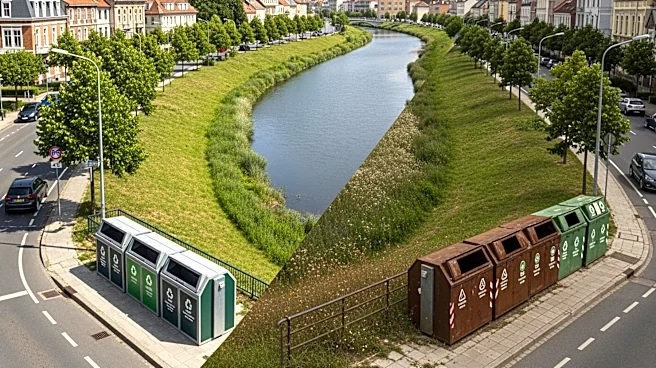
A recent geospatial analysis has revealed significant socioeconomic inequities in access to recycling infrastructure across the United States. The study found that areas with better access to Material Recovery Facilities (MRFs) tend to be wealthier and
more educated, while underserved regions, identified as NoMRF areas, lack sufficient access. These disparities are linked to variations in recycling rates and plastic packaging waste generation. The analysis suggests that improving access to MRFs could enhance recycling outcomes and address these inequities.
Why It's Important?
The findings underscore the need for strategic investment in recycling infrastructure to promote environmental sustainability and social equity. By identifying underserved areas, policymakers can prioritize infrastructure development to improve recycling rates and reduce waste. This could lead to significant environmental benefits, such as decreased landfill use and lower carbon emissions. Additionally, addressing these disparities could foster economic opportunities in underserved communities, contributing to broader social and economic development.
What's Next?
The study's insights could inform future policy decisions and investment strategies aimed at expanding recycling infrastructure. Policymakers may consider implementing targeted initiatives to enhance access in underserved areas, potentially involving public-private partnerships or federal funding. As the demand for sustainable waste management solutions grows, these efforts could play a crucial role in achieving national recycling goals and promoting environmental justice.