




What's Happening?
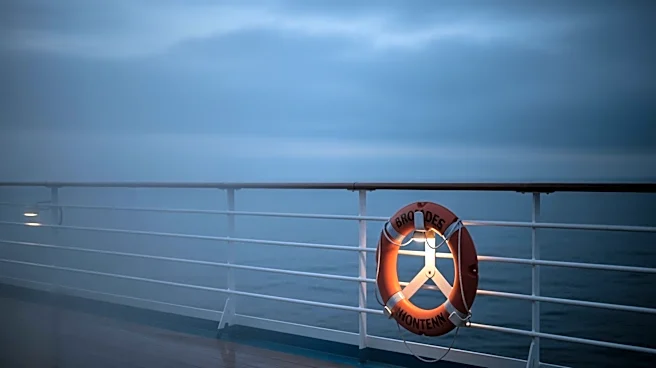
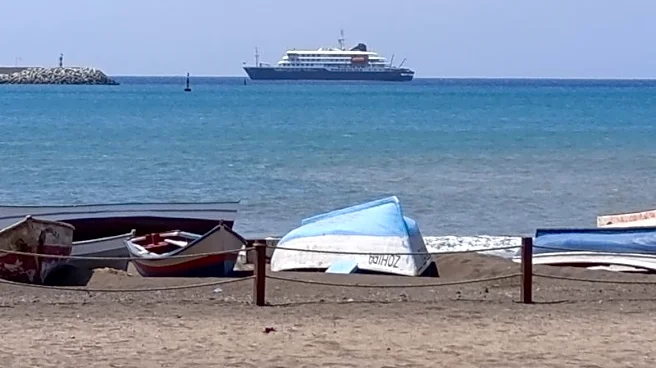
The World Health Organization (WHO) has reported that human-to-human transmission of hantavirus may have occurred on the MV Hondius, a cruise ship currently off the coast of West Africa. The outbreak has resulted in three deaths and several illnesses
among passengers. Dr. Maria Van Kerhove, WHO’s Director for Epidemic and Pandemic Preparedness and Prevention, stated that due to the close contact among some of the cases, human-to-human transmission cannot be ruled out. As a precaution, this assumption is being made. The ship has nearly 150 people on board, including 17 Americans, who remain stranded as the situation develops.
Why It's Important?
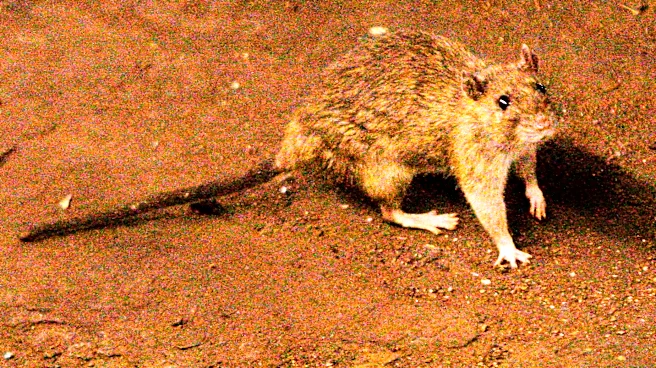
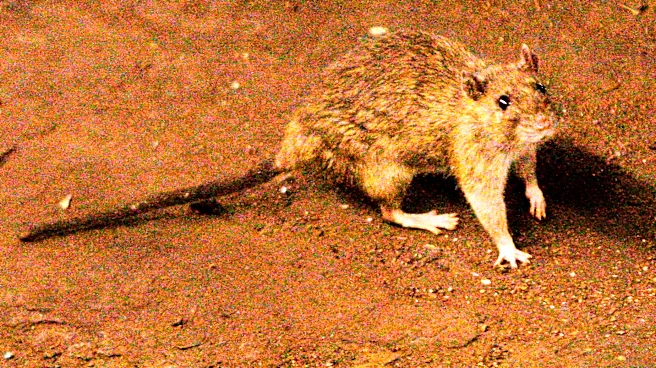
The potential human-to-human transmission of hantavirus on the MV Hondius raises significant public health concerns, particularly for the Americans on board. Hantavirus is typically transmitted through contact with rodent excreta, and human-to-human transmission is rare. This development could indicate a new mode of transmission, prompting health authorities to reassess containment and prevention strategies. The situation underscores the importance of international cooperation in managing infectious disease outbreaks, especially in confined environments like cruise ships, which can facilitate rapid spread.
What's Next?
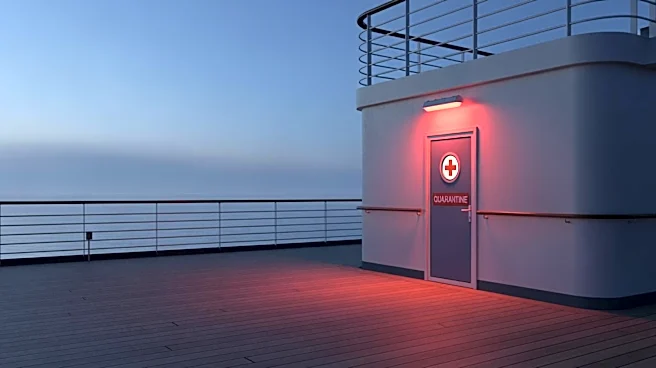
As the situation unfolds, health authorities are likely to implement stricter quarantine measures and conduct thorough investigations to confirm the mode of transmission. The WHO and other health organizations may issue updated guidelines for cruise ships to prevent further outbreaks. The stranded passengers, including the Americans, may face extended isolation until the situation is resolved. This incident could lead to increased scrutiny of health protocols on cruise ships and potentially impact the cruise industry’s operations and regulations.